
Why "Peaceful Art" is the 2026 Trend You Need to Watch
In a world that feels increasingly loud and overstimulating, the most significant luxury of 2026 isn't a product, it's peace.
As we navigate this year, a clear shift has emerged in how we interact with our environments. We are moving away from art that merely "decorates" toward art that intervenes. This trend toward Peaceful Art is more than an aesthetic choice; it is a collective reaching for emotional grounding and neurological restoration.
Here is why the art world is turning down the volume and why Blue has officially become our universal anchor.
The "Blue" Effect: Why It’s the Most Searched Color
Data from 2025 gave us a preview of what was to come: a 20% surge in searches for "blue" and a massive 131% spike for "cobalt."
As a multimedia artist, I see this not just as a trend, but as a biological necessity. Research in neuroaesthetics shows that blue has a physiological calming effect, it can lower heart rate and blood pressure, signaling safety and tranquility to the brain. In 2026, collectors are using blue to turn their living spaces into "sensory sanctuaries."
From Decoration to Intervention: The Rise of Peaceful Art
The 2026 "Peaceful Art" trend is rooted in the idea that our visual environment directly shapes our internal state. We are seeing a move toward:
Biophilic Design: Art that mimics the patterns and colors of the natural world, like the white sand beaches and diverse ecosystems I explore in my The Light Returns series.
Neuroplasticity in Art: The understanding that engaging with serene, abstract landscapes can help the brain create new, calmer neural pathways.
Intimacy over Spectacle: The rise of "Mini Art,” small, quiet pieces that invite personal reflection rather than public performance.
Why This Matters for You
We often forget that we can shape our brains. As a trauma survivor and researcher in identity development, I have seen firsthand how art serves as a powerful tool for healing. Whether you are processing the stress of a digital-first lifestyle or navigating personal grief, the art you choose to surround yourself with acts as a silent partner in your resilience.
Peaceful art isn't just about "looking good"; it’s about feeling better.
Final Thoughts
As we move through 2026, I invite you to look at your walls not as empty spaces to fill, but as opportunities for healing. Choose pieces that invite you to breathe, to pause, and to reconnect with the natural world.
Healing is possible, and sometimes, it starts with a single shade of blue.
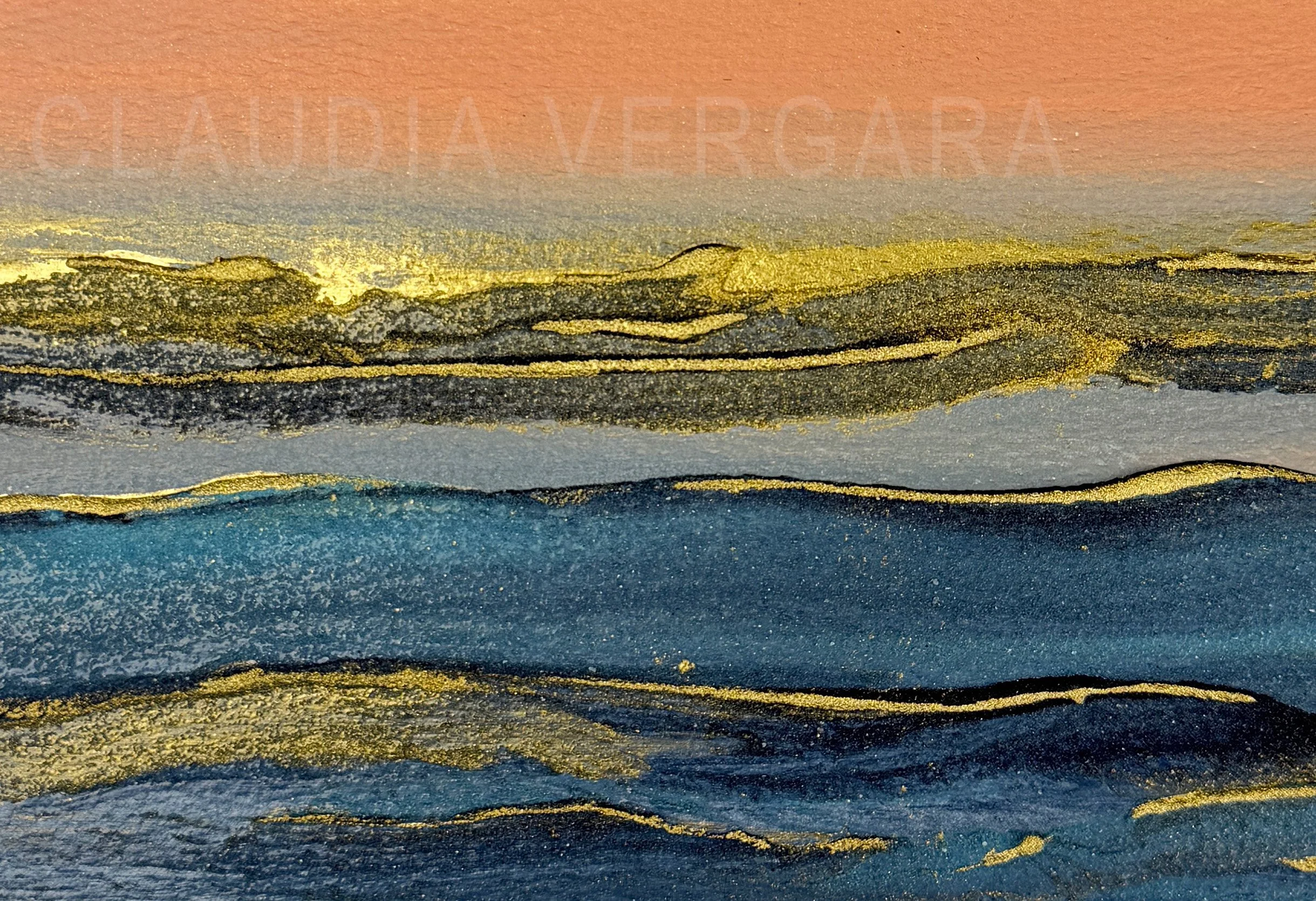
Sandbar Mini 15 by Claudia Vergara
