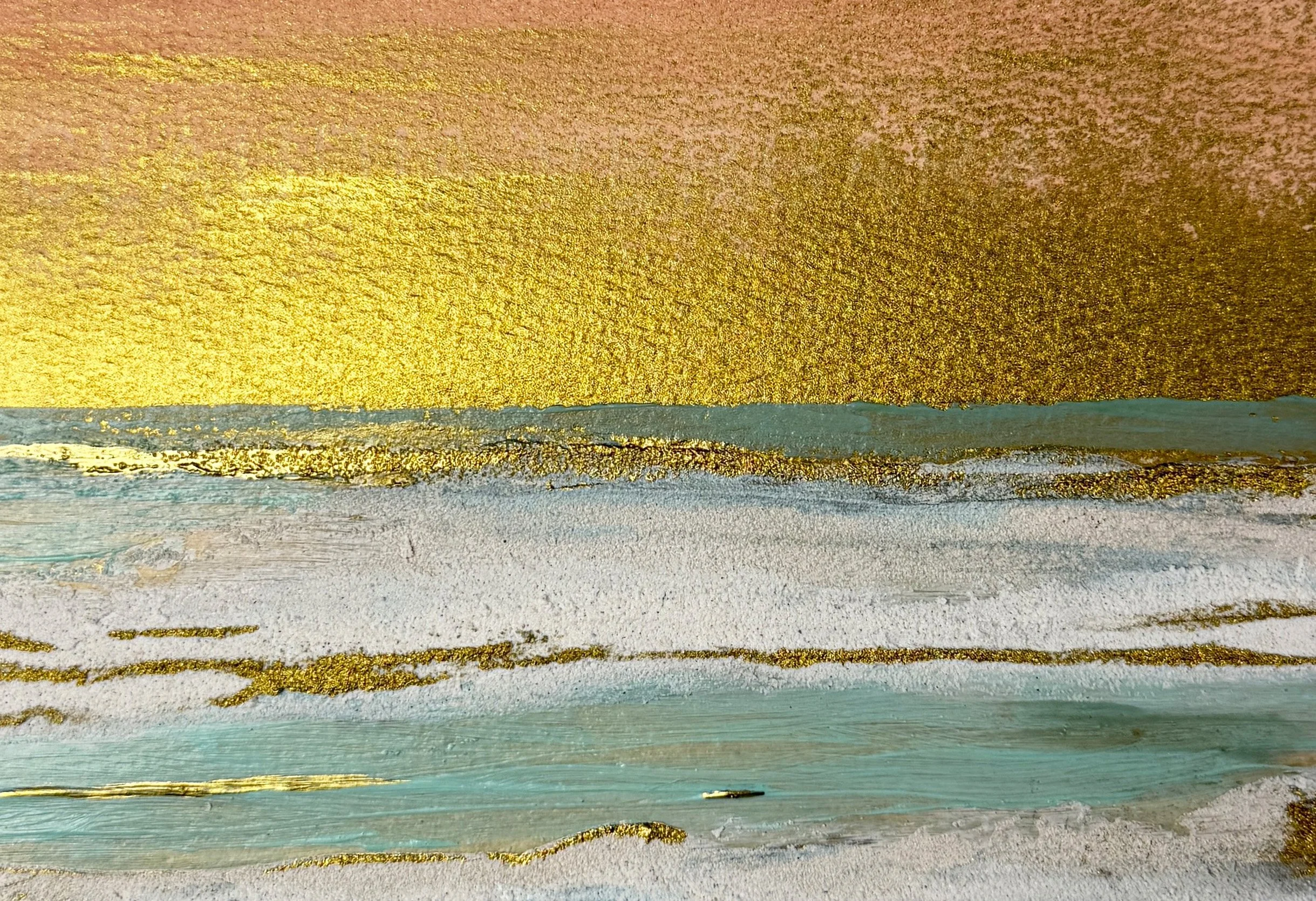
Healing Through Art: What Hospitals Around the World are Doing
In times of illness, the body isn't the only thing in need of healing. Emotions, identity, and spirit also come into focus. As artists, healers, and humans, we know that recovery is never just physical. Hospitals around the world are beginning to reflect that truth.
Art as a Healing Force
Across Europe and North America, healthcare spaces are evolving from sterile environments into ones that intentionally support the emotional landscape of patients and caregivers. They're using a powerful tool that many of us in creative practices have long known: Art.
Art in hospitals is no longer just about filling empty walls. It is being used to ease anxiety, reduce pain, and offer moments of reflection, especially for those processing fear, uncertainty, or grief. The Cleveland Clinic has built a collection of over 6,800 works with this in mind, embracing a patient-centered approach that includes bold, evocative pieces by artists like Yayoi Kusama and Catherine Opie. Their mission is clear: "Fine art is good medicine."
In Austin, Texas, the Dell Medical School collaborated with artist Ann Hamilton to photograph over 500 individuals through a translucent screen, producing soft-focus portraits that feel both sacred and grounding. One of these portraits became a site of remembrance after a patient passed away, offering a grieving family a tangible connection to their loved one.
Where Art Meets Science and Nature
These stories affirm something deeply important to my own practice. Beauty and mindfulness have a role in our healing journeys. Whether it's through gentle landscapes, textures that invite pause, or abstract works that mirror complex emotions, art creates space. Space to breathe. To feel. To connect.
This is where the fields of neuroaesthetics and biophilic design intersect meaningfully with art and healthcare.
Neuroaesthetics, the study of how the brain responds to aesthetic experiences, shows us that certain visual elements such as color, pattern, harmony, and movement, can stimulate emotional regulation and even trigger physiological changes like reduced heart rate and lowered cortisol levels.
Biophilic design, which integrates natural elements and patterns into built environments, taps into our innate affinity for nature. When art reflects natural forms and textures, it can activate this sense of connection, fostering calm, presence, and emotional resilience.
A Tender Return to Ourselves
For those of us working at the intersection of creativity and healing, this movement is both inspiring and validating. It underscores how vital art is in times of transition. It can hold the weight of sorrow, spark a moment of joy, or simply remind someone that they are not alone.
Nature, art, and mindful reflection have always been sources of comfort. Bringing them into clinical settings is not just progressive. It is deeply human.
Healing isn't just about curing. It is about coming home to ourselves, one tender moment at a time.