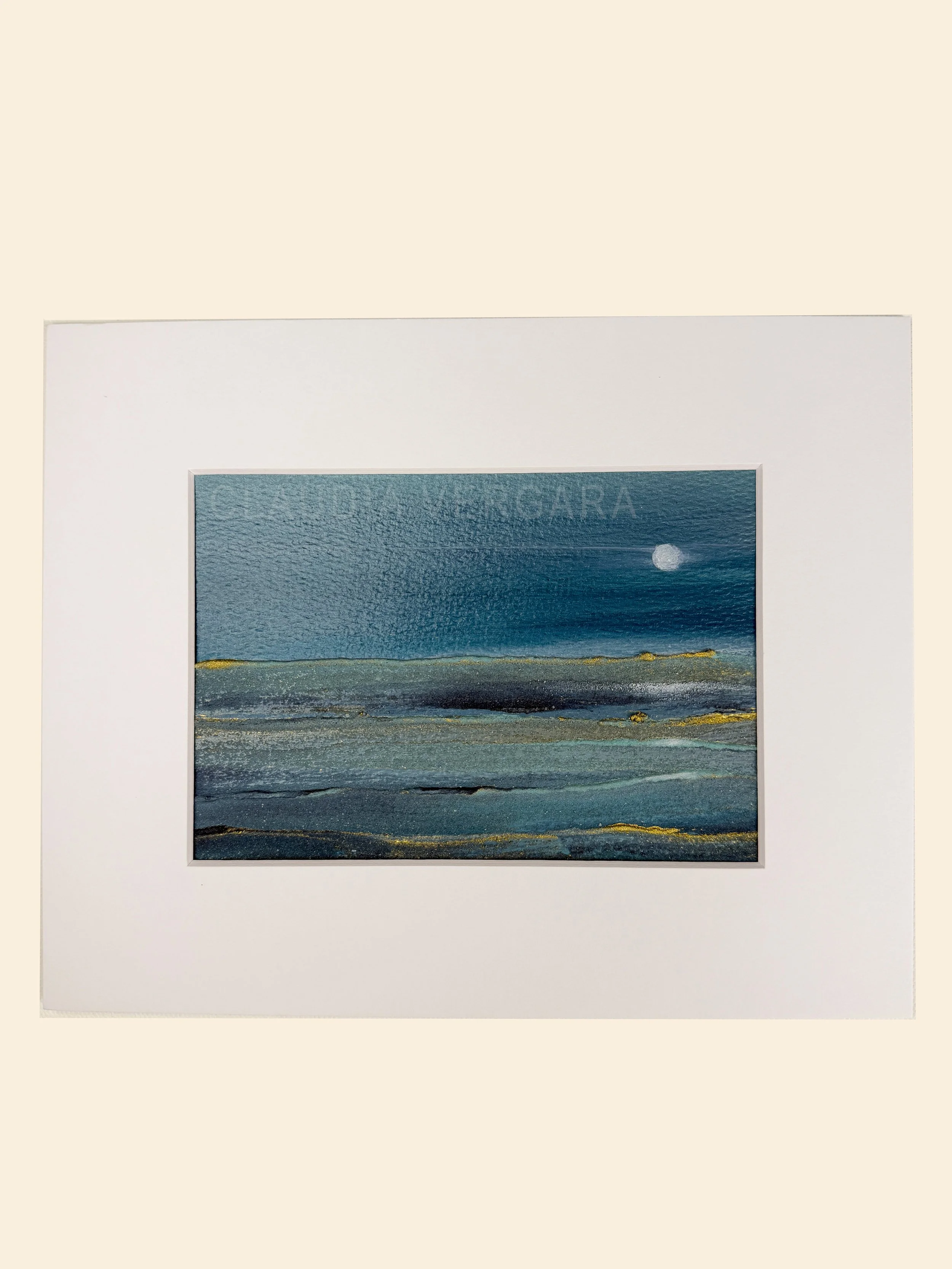
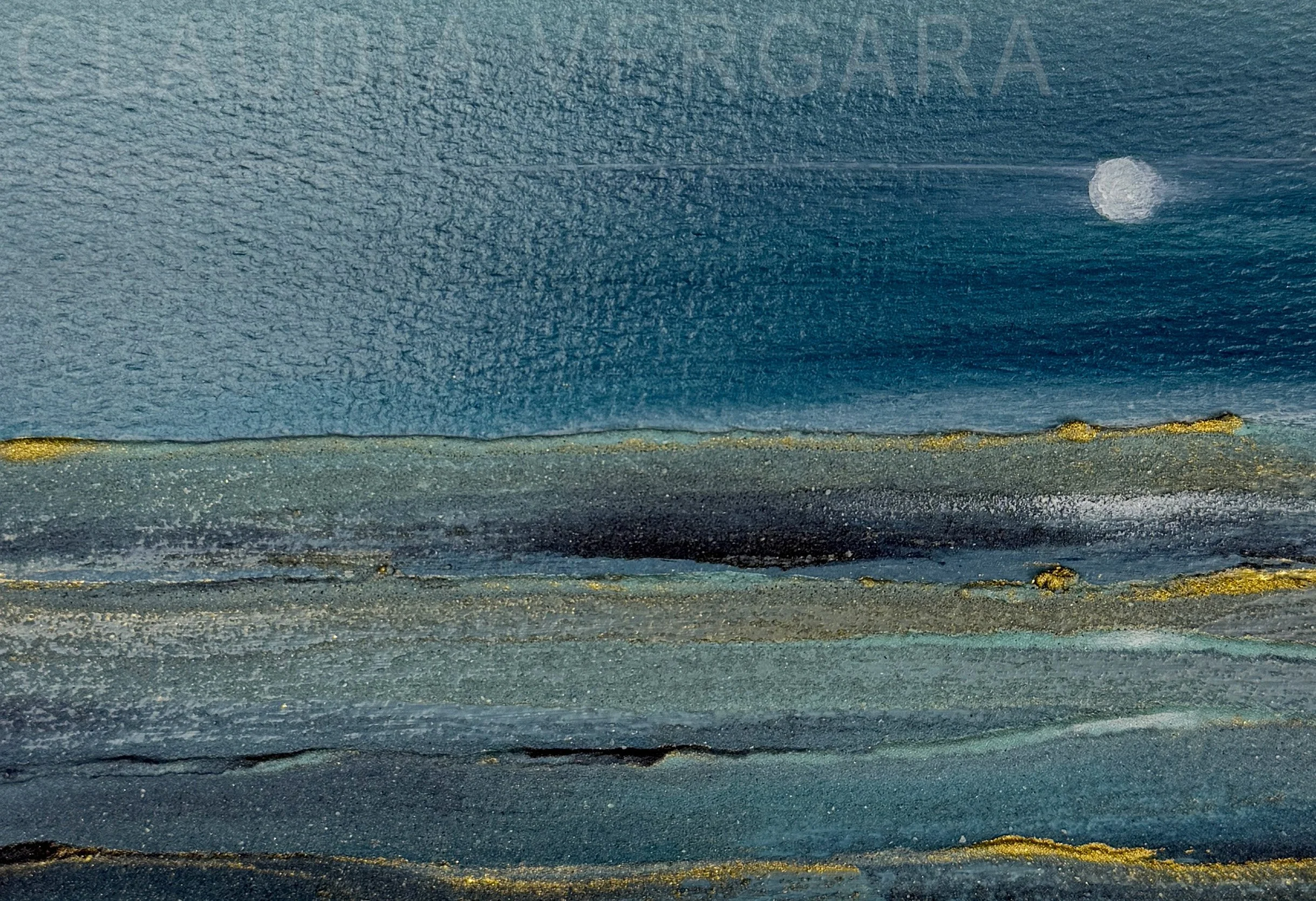
The Science of Sandbars
Here's what most people don't know about Florida's sandbars:
They're ECOSYSTEMS. Juvenile fish, crustaceans, mollusks — they all depend on these shallow zones for survival. Sandbars break wave energy, preventing beach erosion. They filter sediment, keeping water clearer. And they're never static — they migrate with seasonal currents and reshape after every storm.
Dynamic. Protective. Essential.
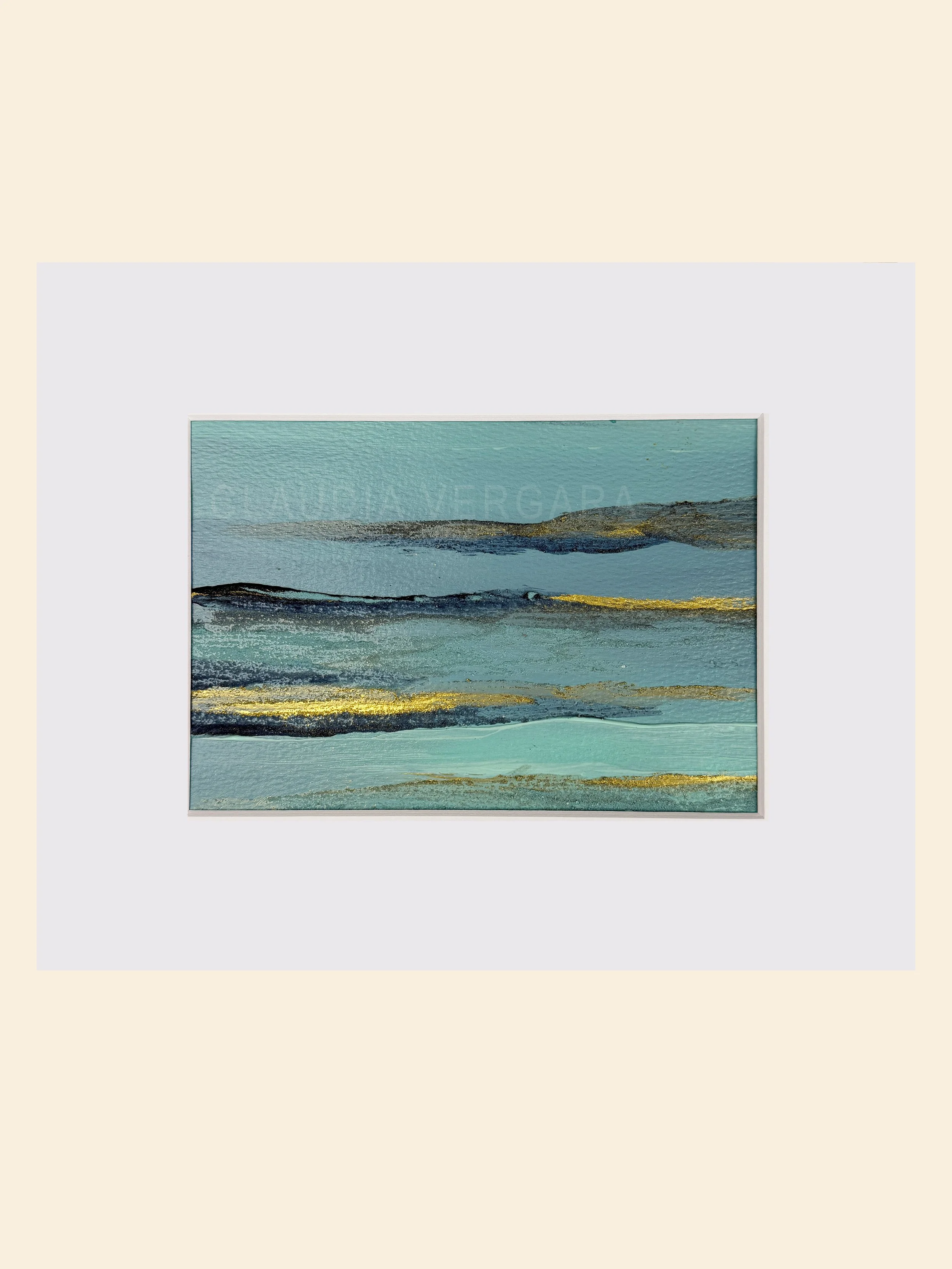
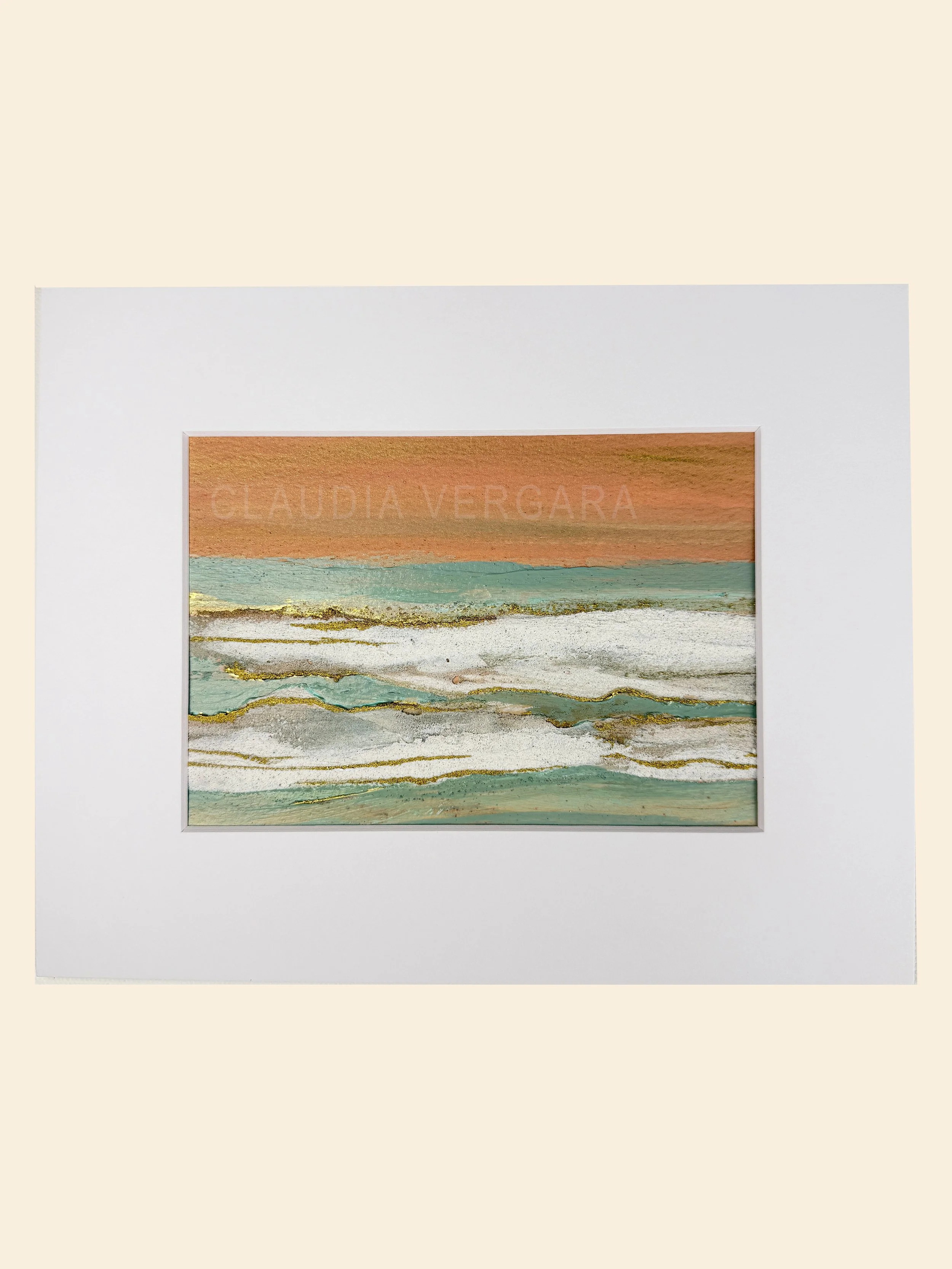
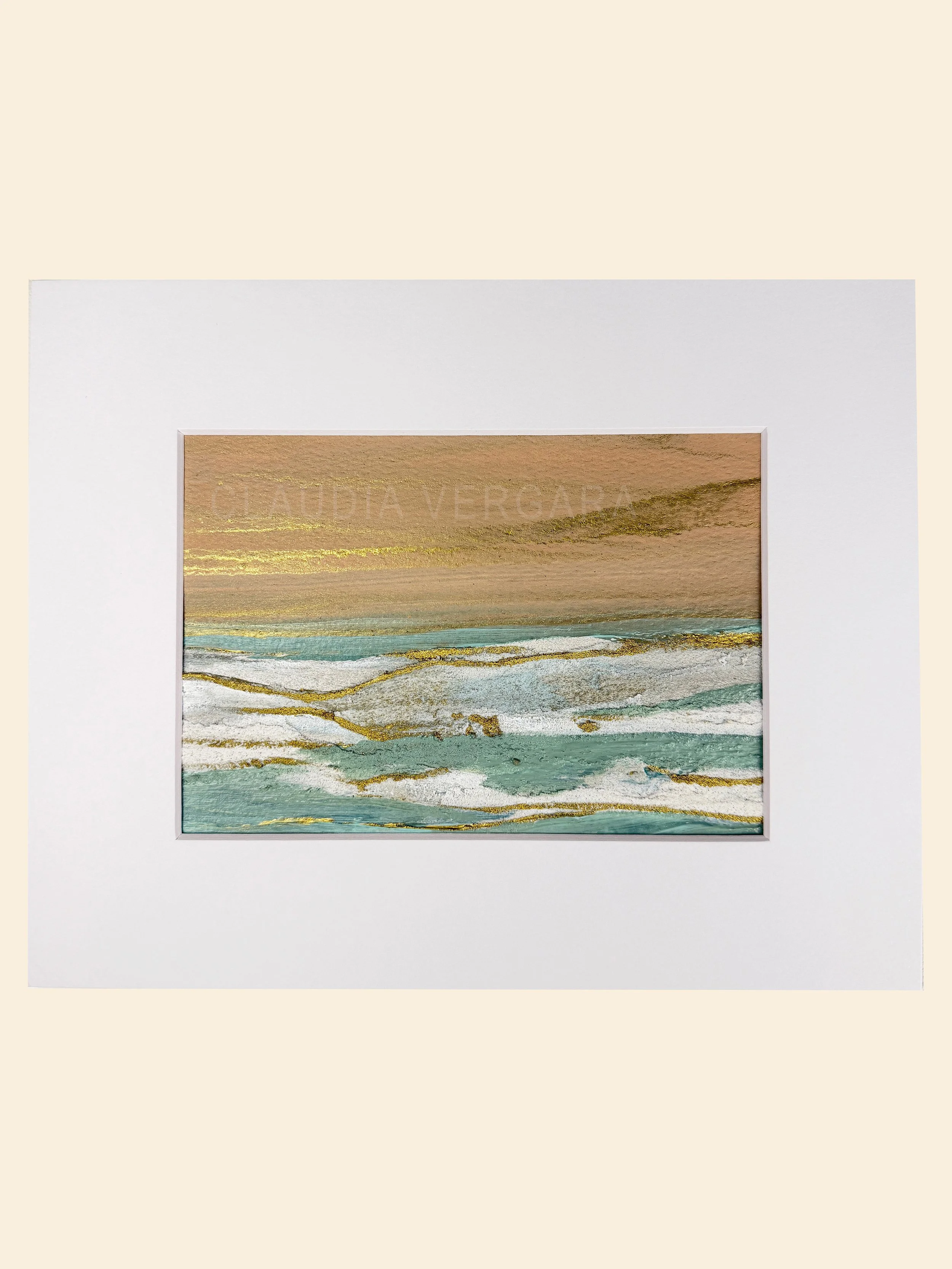
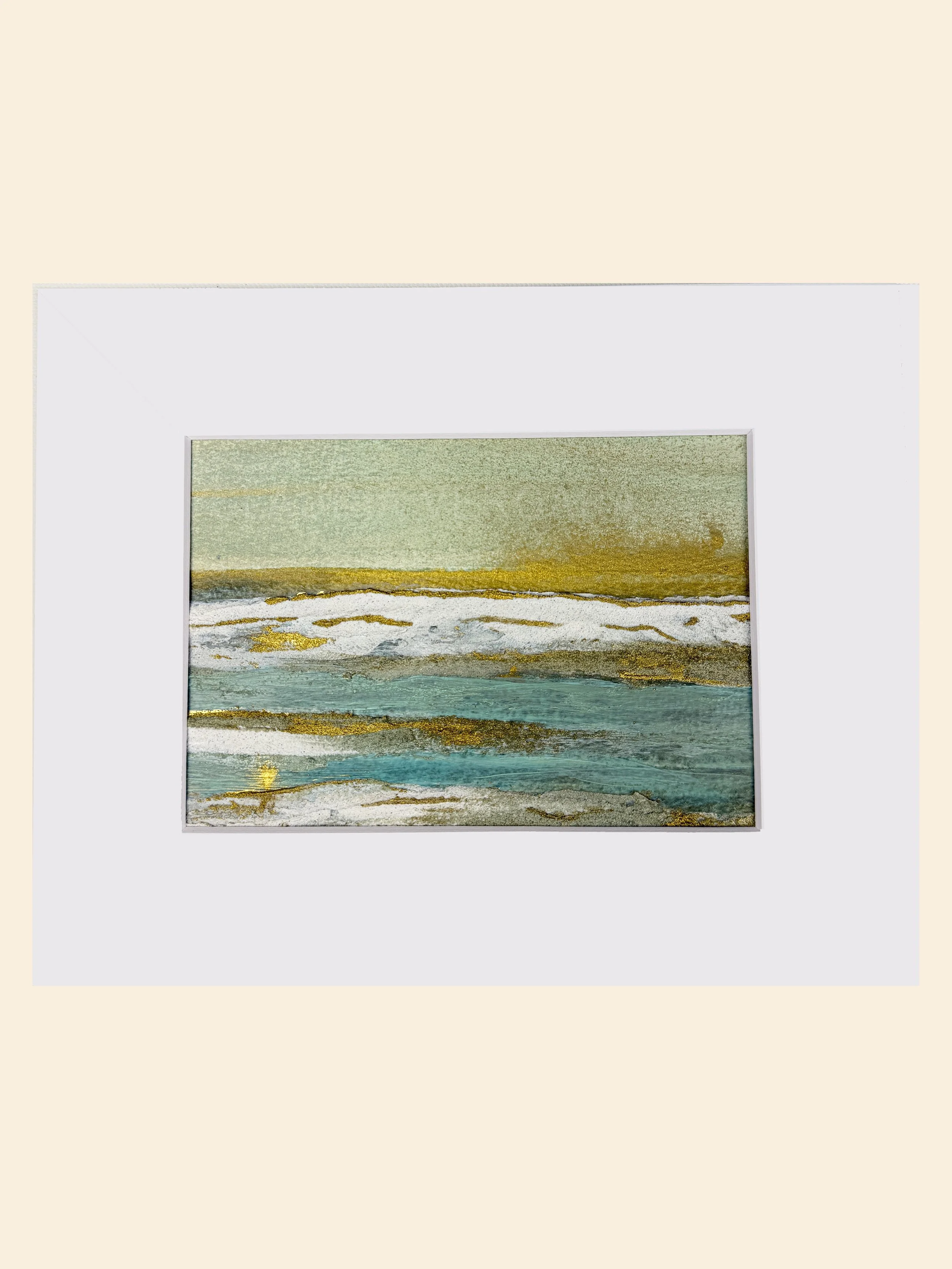
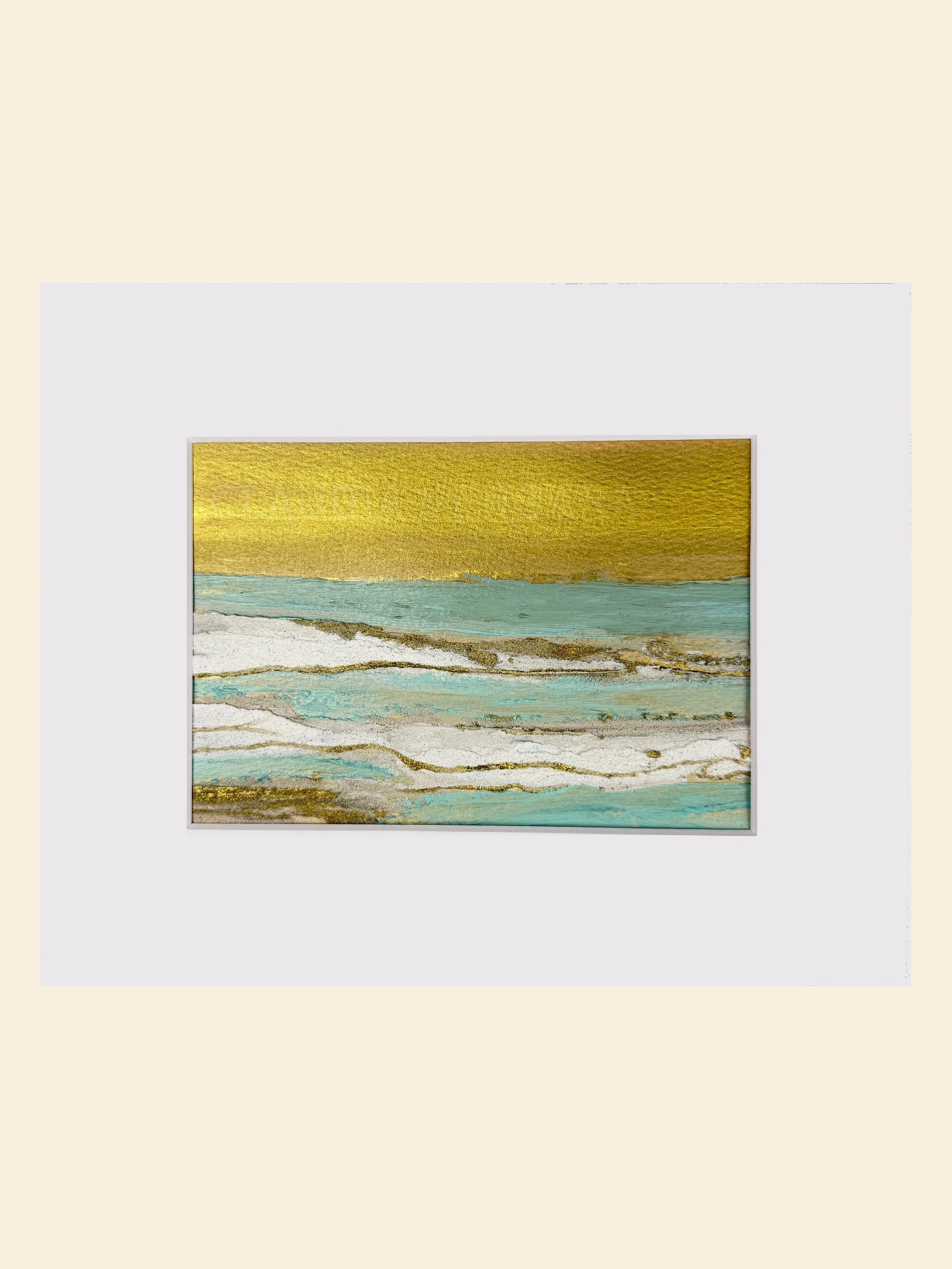
I painted this series because I wanted to honor what sandbars DO, not just how they look.
The color palette is intentional. Soft aquas and warm sand tones activate your parasympathetic nervous system — the part of your brain responsible for rest and restoration. Neuroaesthetics research confirms it: viewing peaceful nature scenes literally rewires your brain toward calm.
Hang this on your wall, and let it do its work.
You can shape your brain. And it starts with what you let yourself see.
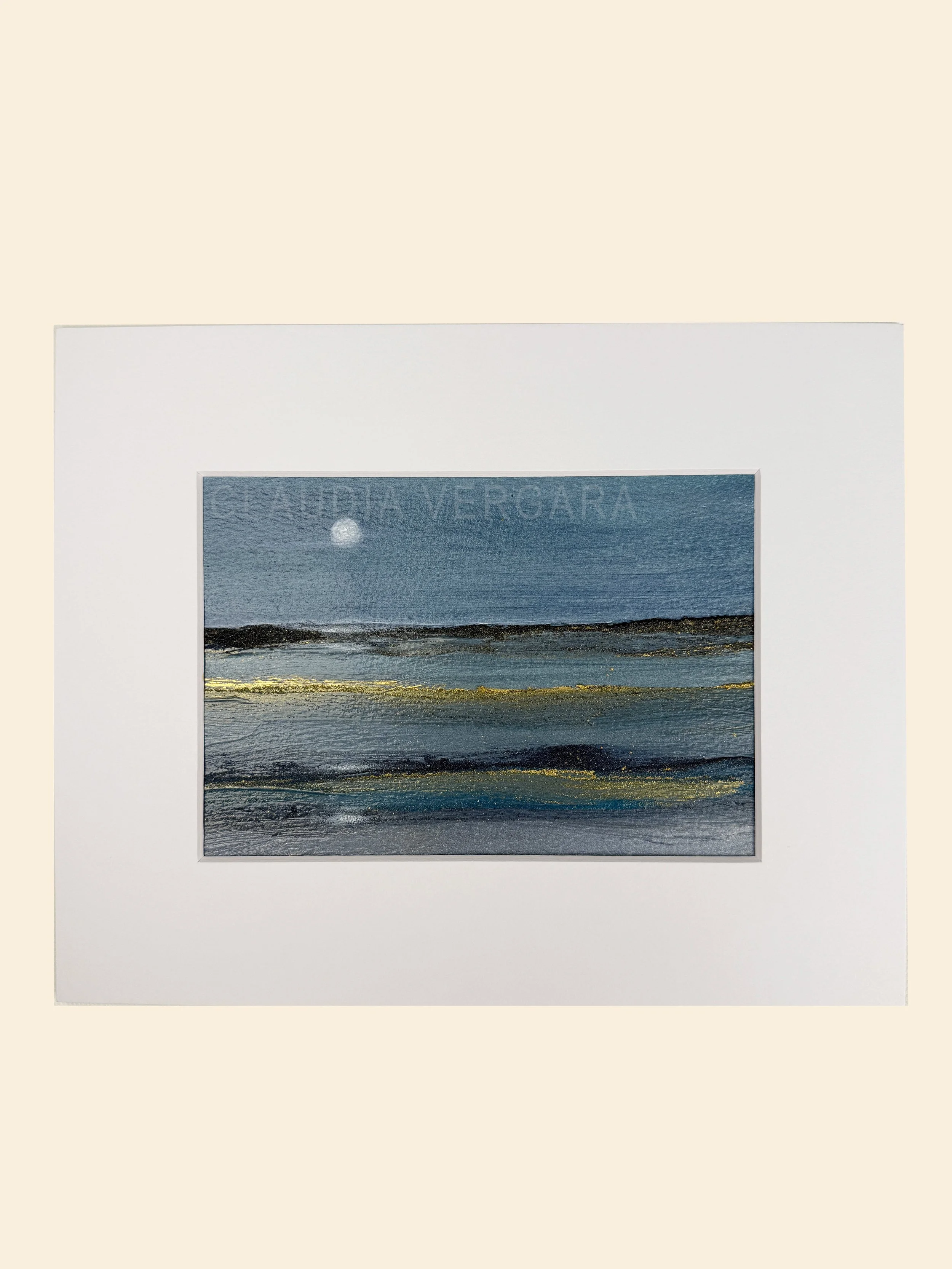
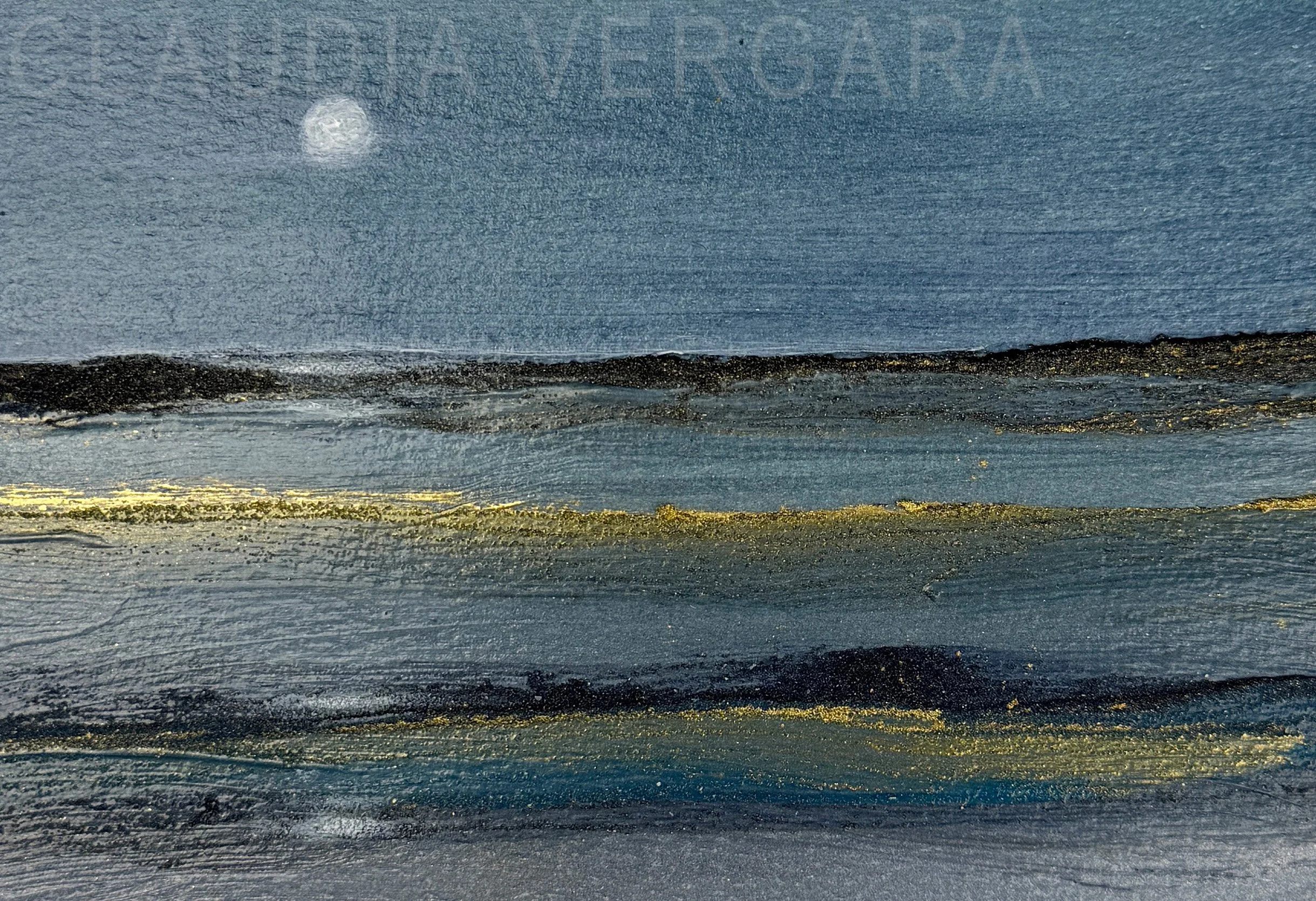
Where Water Meets Sand
I've walked Florida beaches my whole life, and sandbars have always stopped me in my tracks.
These underwater ridges form where waves slow down and drop their sand. They're constantly moving — shaped by storms, tides, and time. They create shallow pools where baby fish hide from predators. Where hermit crabs dig in. Where shorebirds rest and feed.
Sandbars PROTECT.
They NURTURE.
They ADAPT.
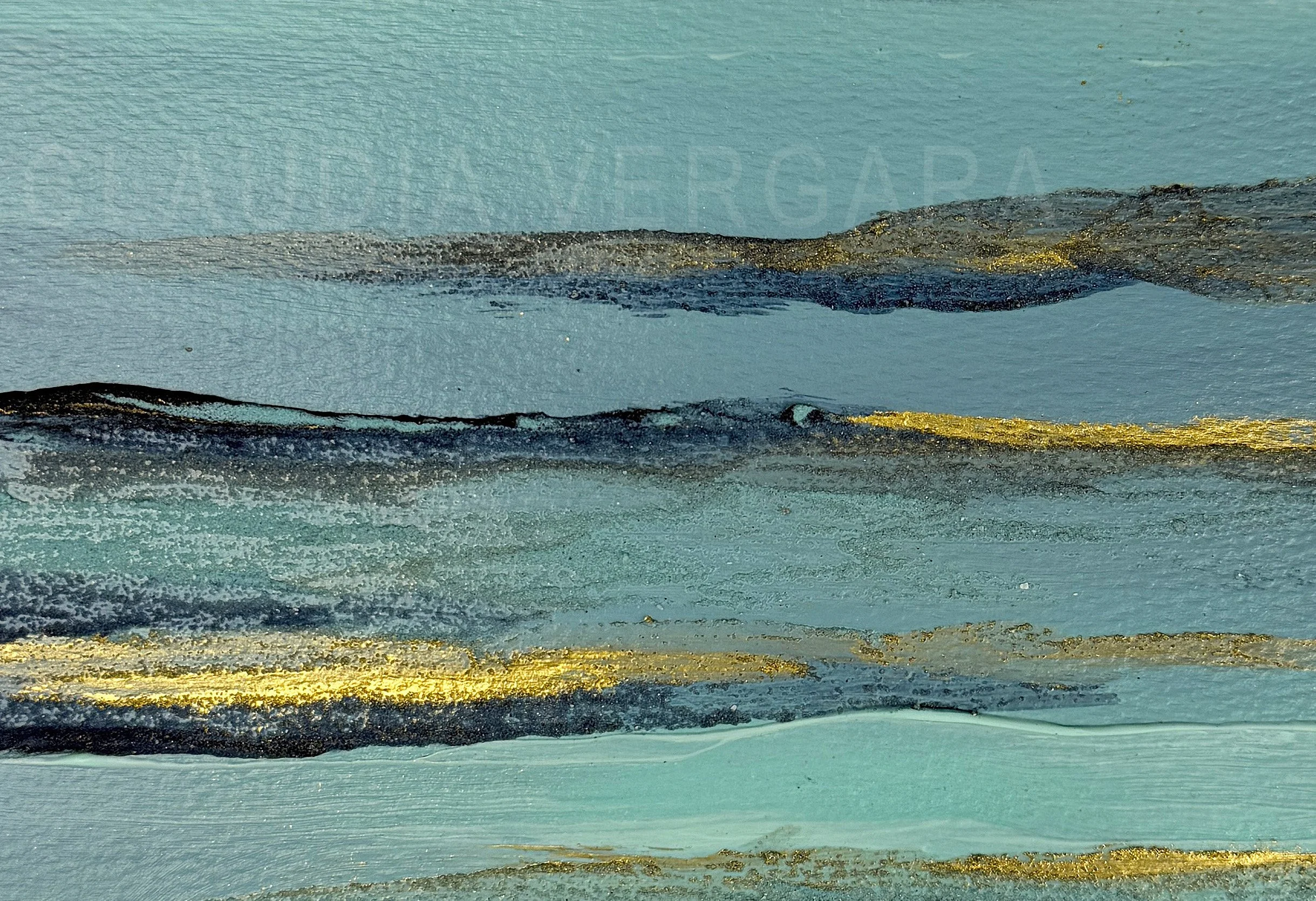
Painting them felt like painting resilience itself.
The soft blues and sandy neutrals in this series aren't just colors — they're frequencies. Research shows nature scenes reduce cortisol and activate your brain's relaxation response. These paintings are designed to help you BREATHE.
Let them remind you: You can shift. You can rebuild. You are stronger than you think.
Where Water Meets Sand
I've walked Florida beaches my whole life, and sandbars have always stopped me in my tracks.
These underwater ridges form where waves slow down and drop their sand. They're constantly moving — shaped by storms, tides, and time. They create shallow pools where baby fish hide from predators. Where hermit crabs dig in. Where shorebirds rest and feed.
Sandbars PROTECT.
They NURTURE.
They ADAPT.
Painting them felt like painting resilience itself.
The soft blues and sandy neutrals in this series aren't just colors — they're frequencies. Research shows nature scenes reduce cortisol and activate your brain's relaxation response. These paintings are designed to help you BREATHE.
Let them remind you: You can shift. You can rebuild. You are stronger than you think.
Sandbars of the Gulf Coast
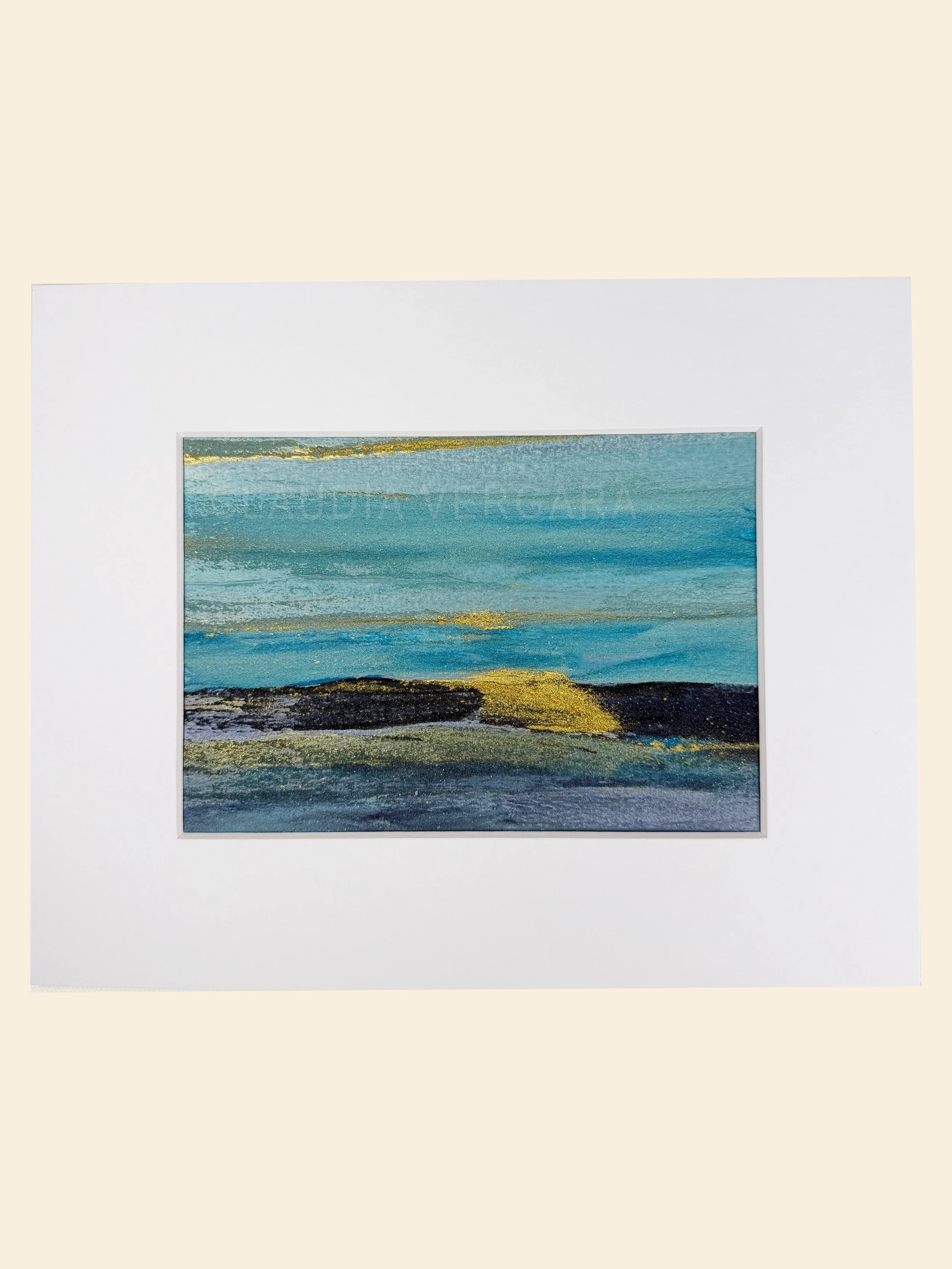
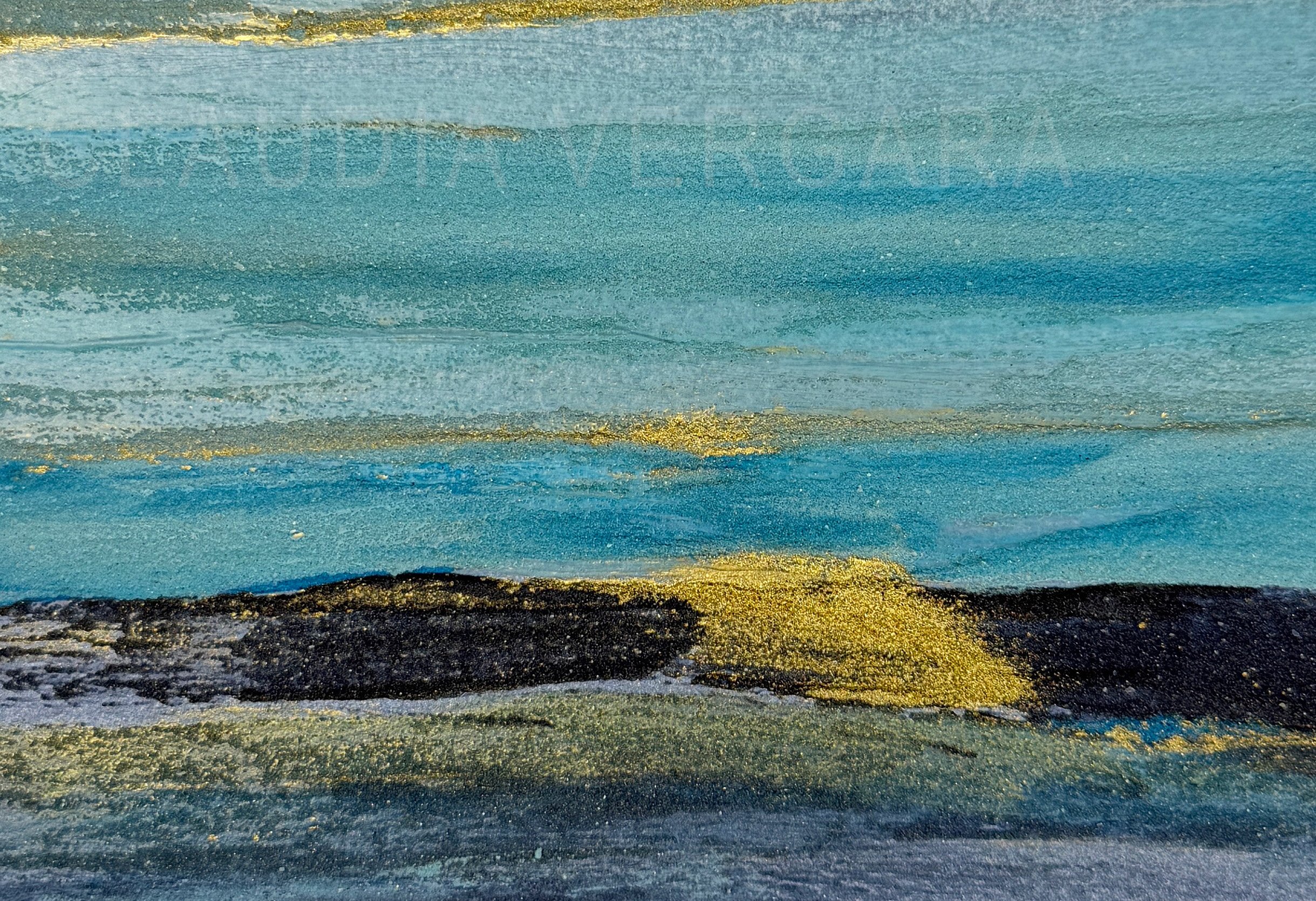
These shifting ribbons of sand are more than beautiful — they're ALIVE.
Florida's sandbars form where waves, currents, and tides dance together. They protect our shorelines from erosion. They filter water. They create safe nurseries for baby fish, crabs, and shorebirds learning to survive.
Sandbars aren't permanent. They shift. They change. They rebuild.
Just like us.
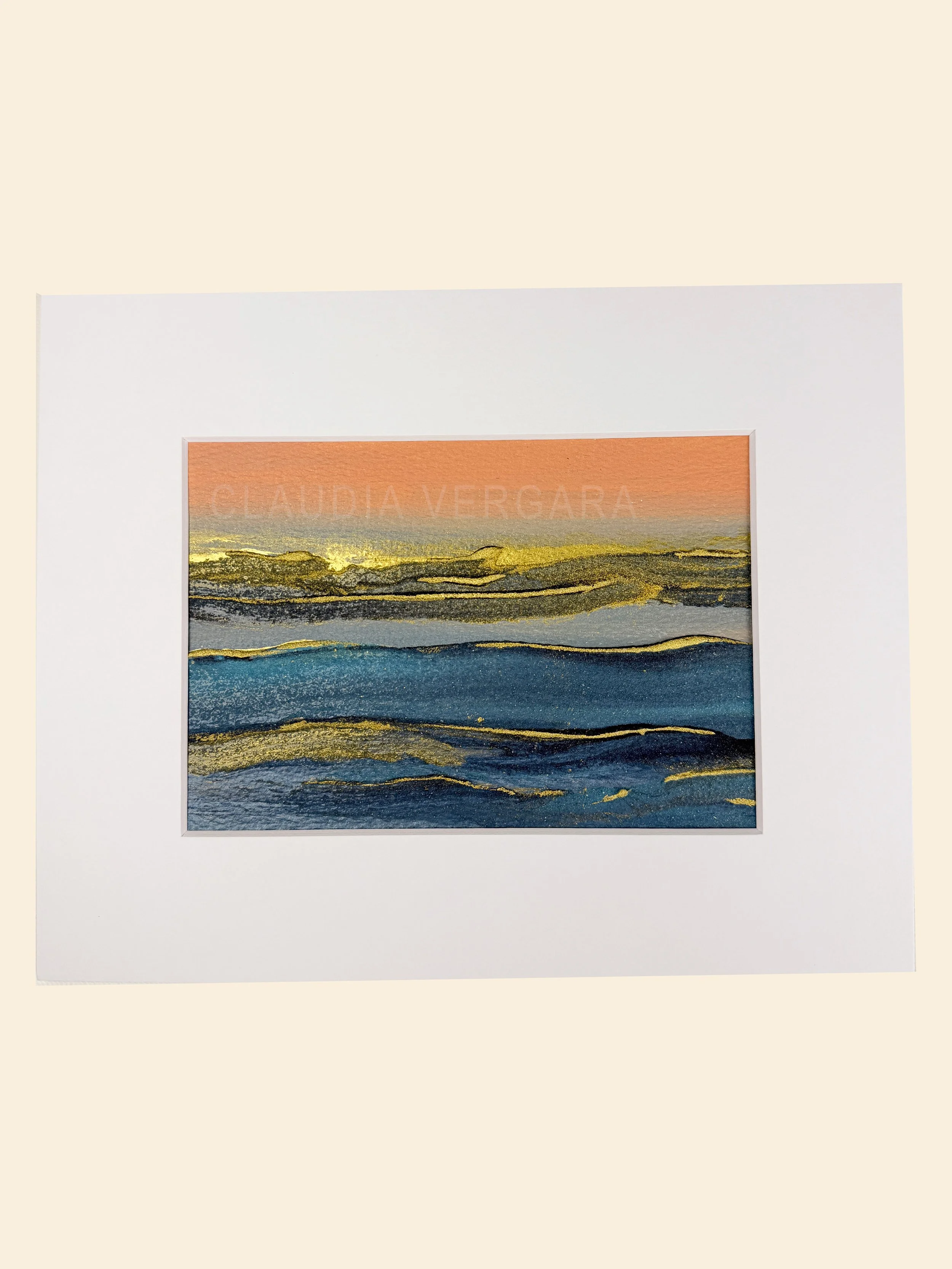
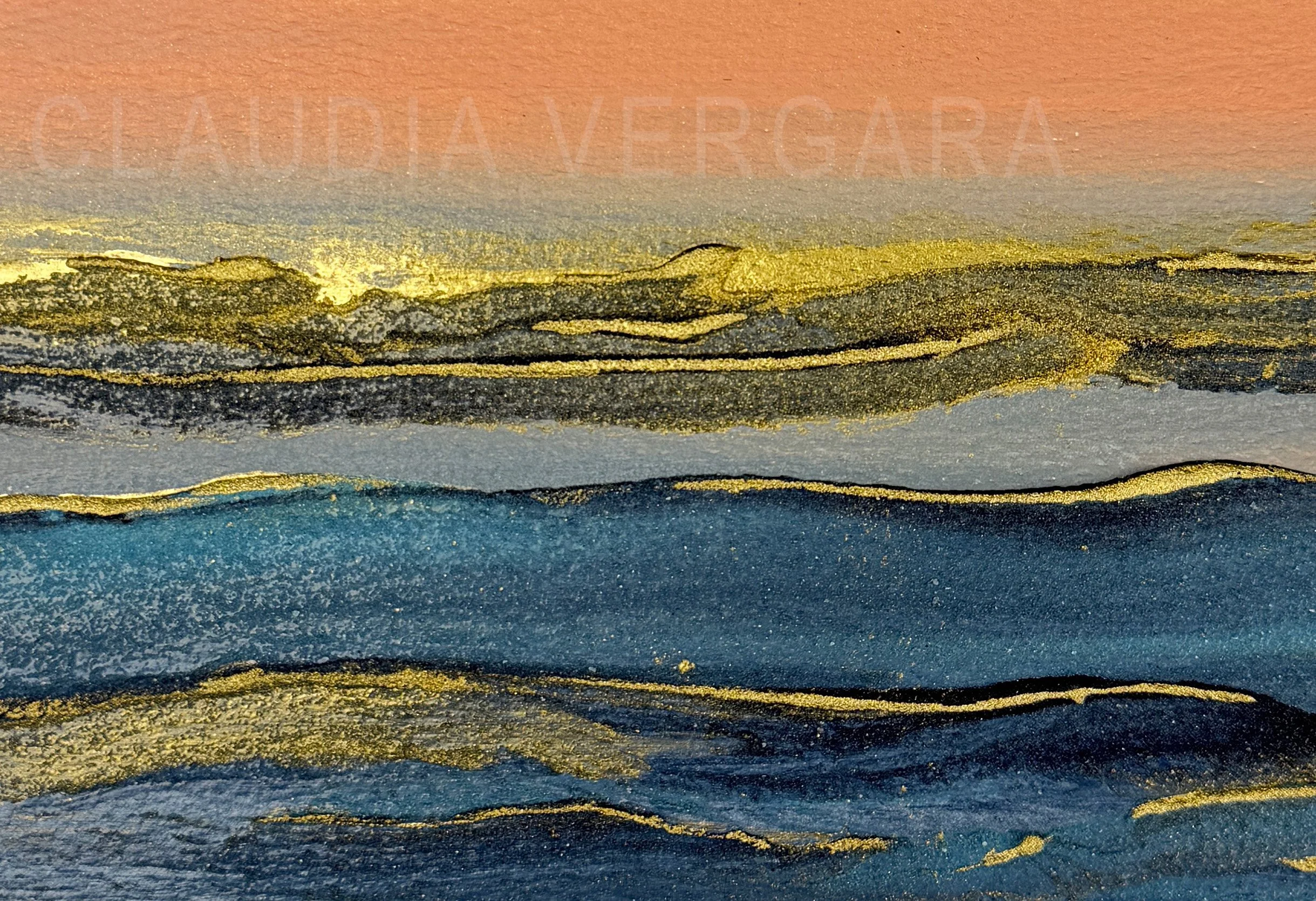
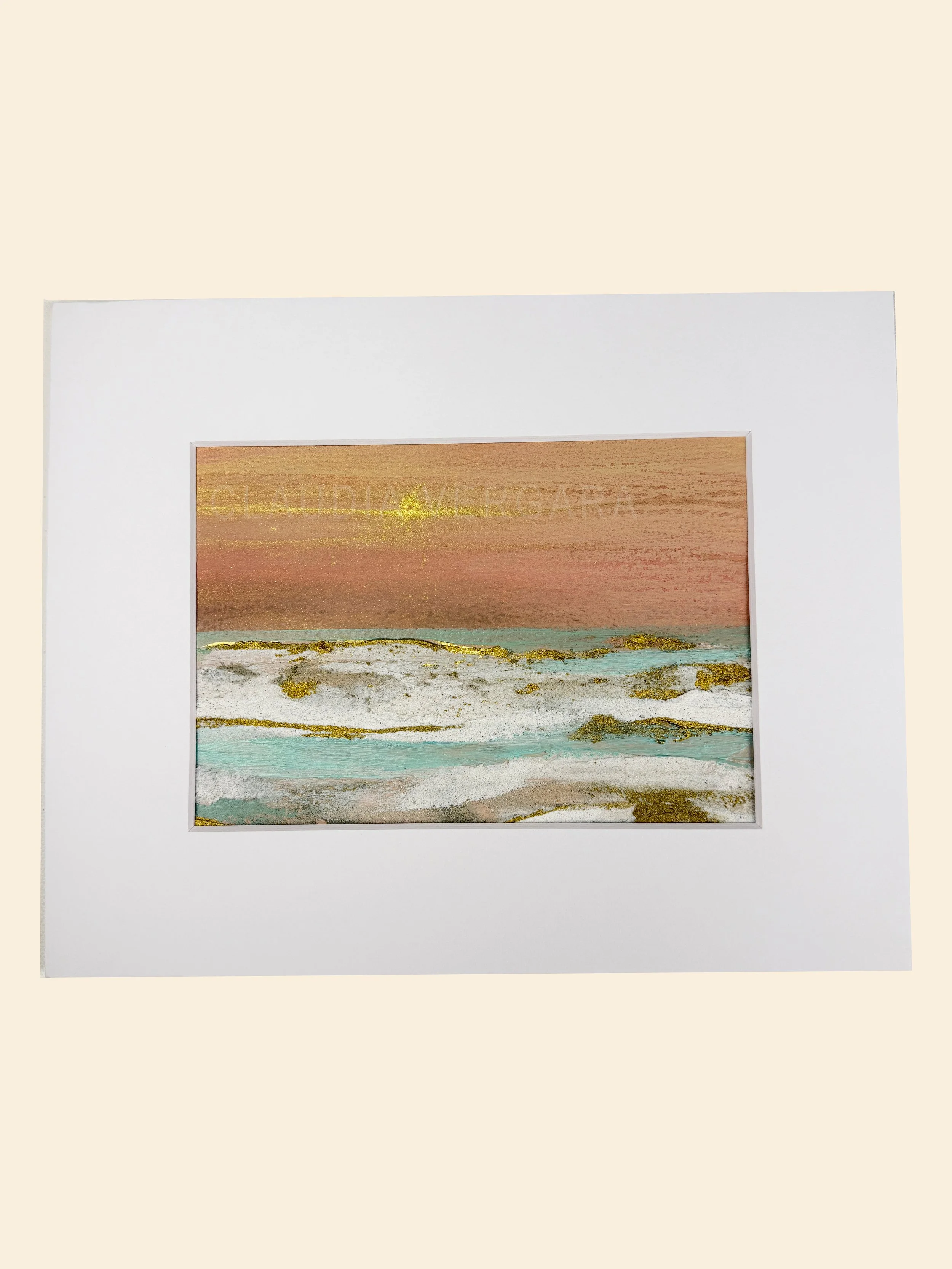
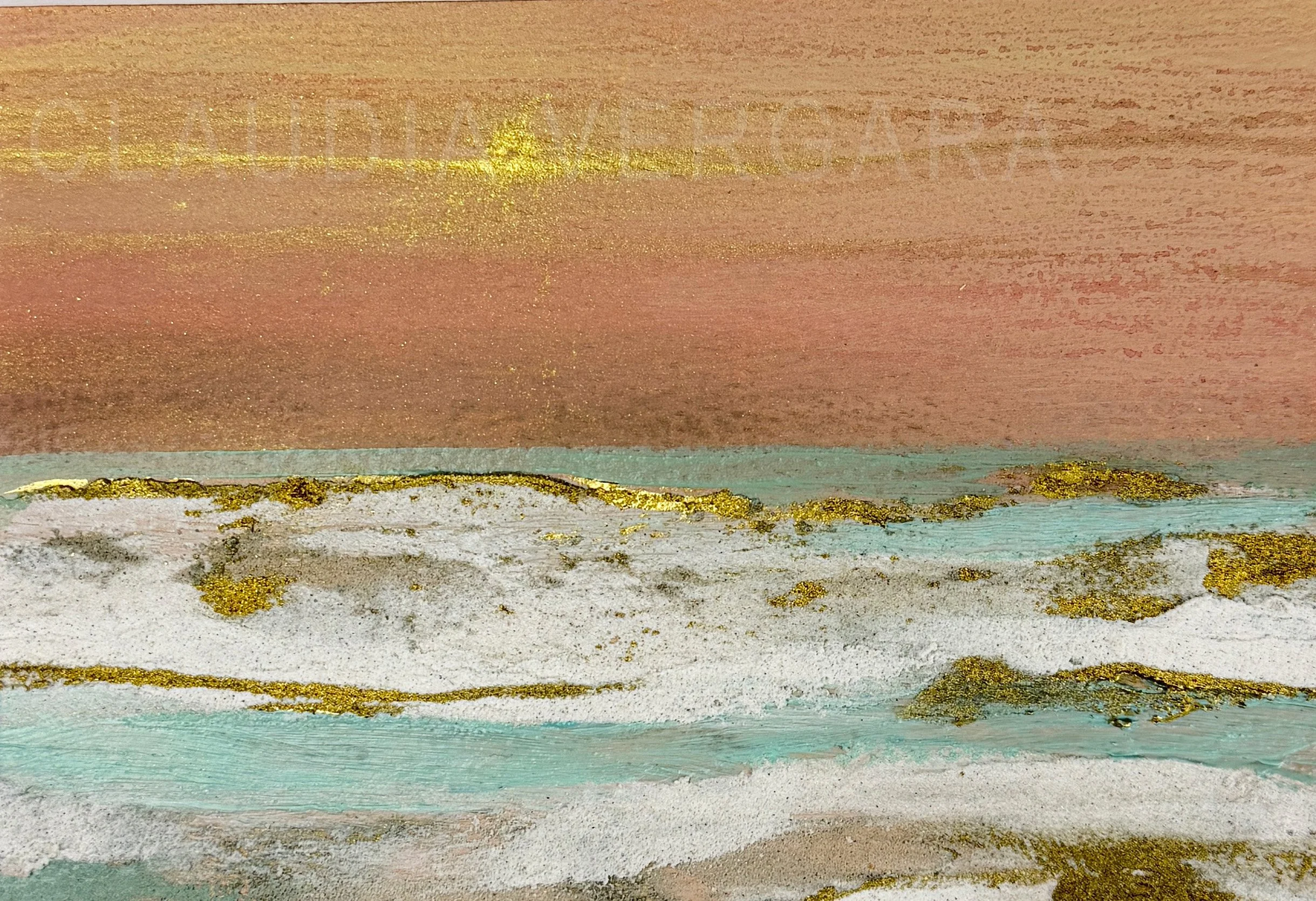
When you look at these paintings, let yourself breathe. Notice the soft gradients. The gentle movement of water meeting sand. This is nature's reminder that change can be peaceful. That protection can be beautiful. That healing happens in the in-between places.
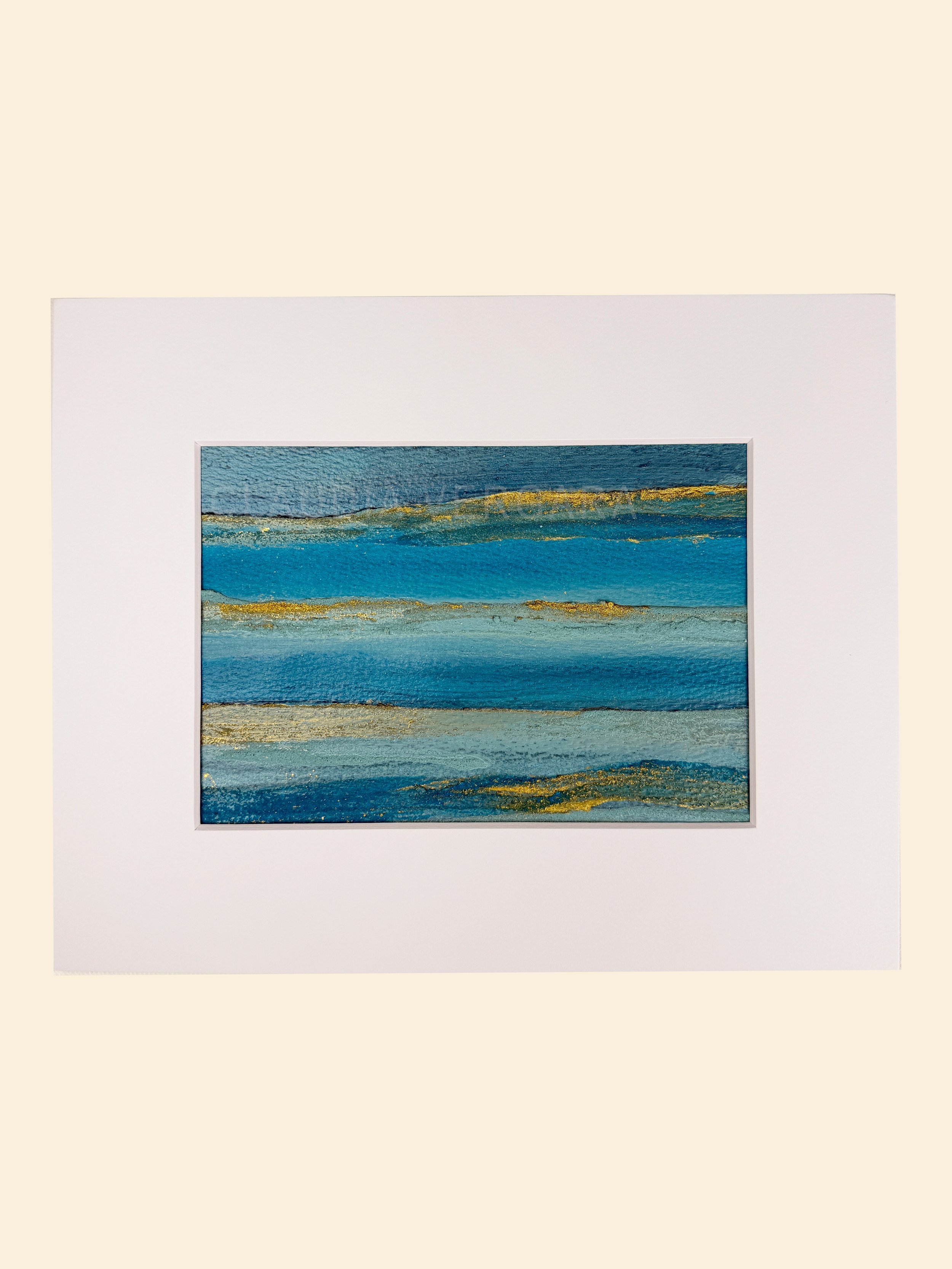
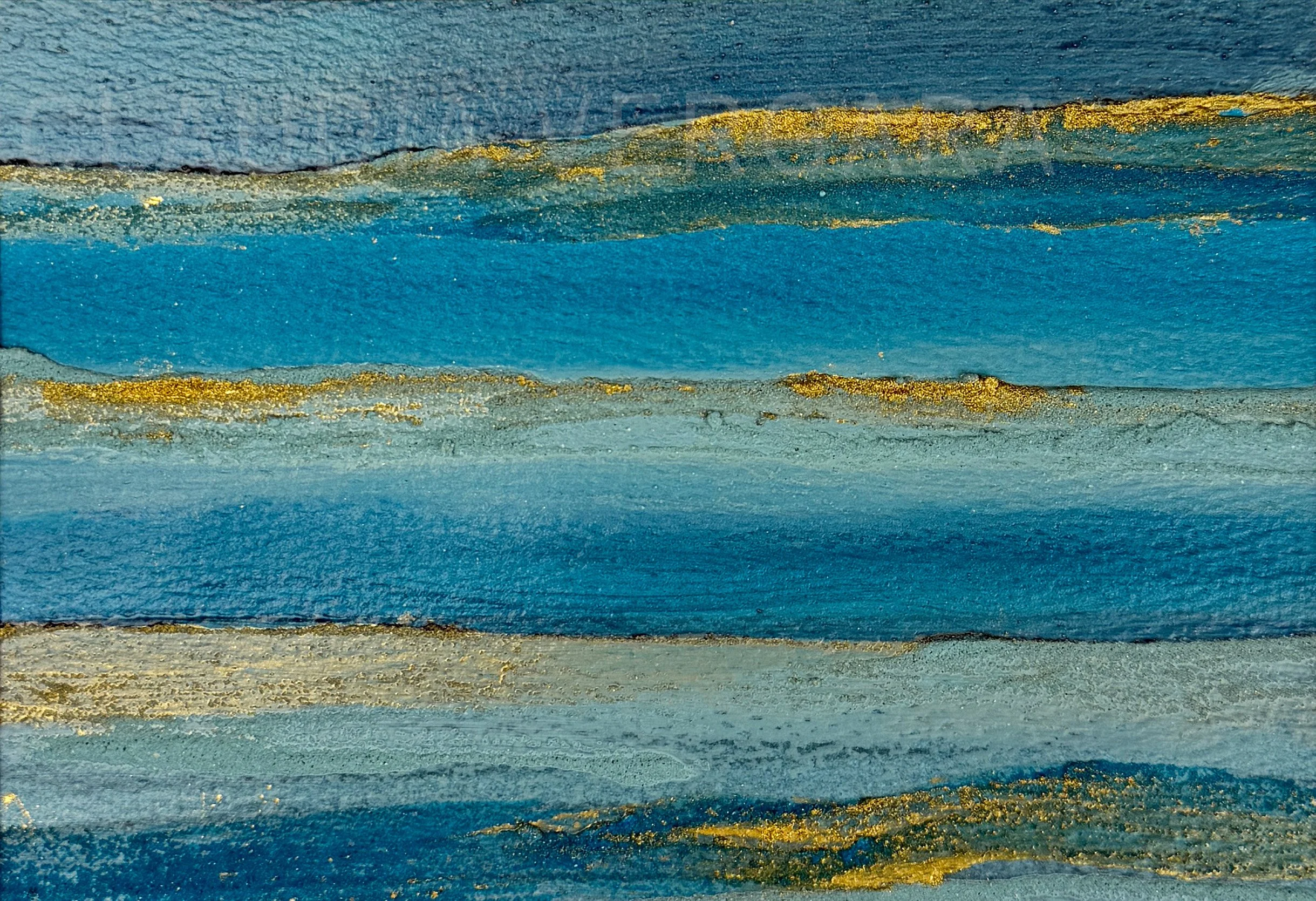
Sandbars of the Gulf Coast
These shifting ribbons of sand are more than beautiful — they're ALIVE.
Florida's sandbars form where waves, currents, and tides dance together. They protect our shorelines from erosion. They filter water. They create safe nurseries for baby fish, crabs, and shorebirds learning to survive.
Sandbars aren't permanent. They shift. They change. They rebuild.
Just like us.
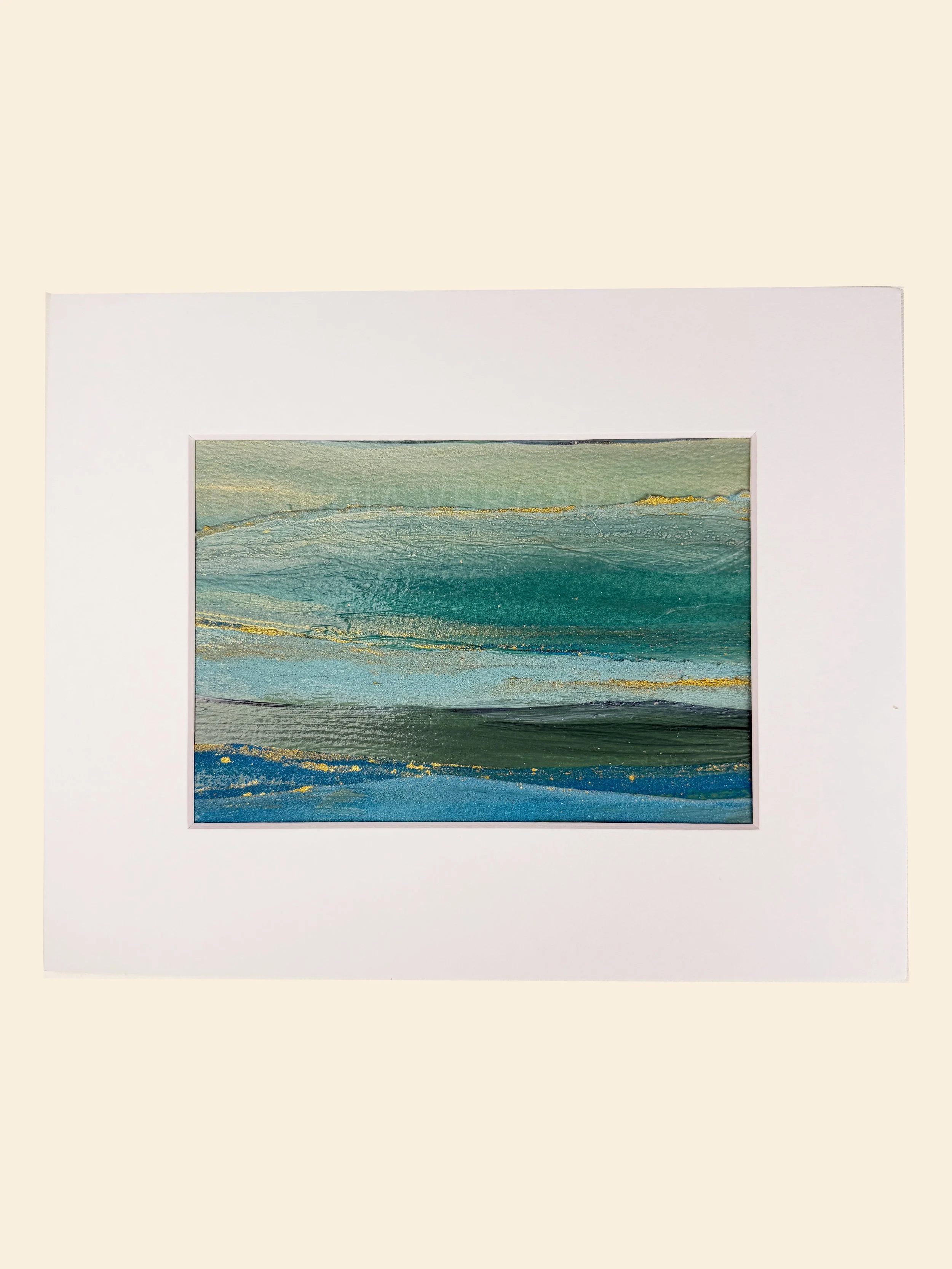
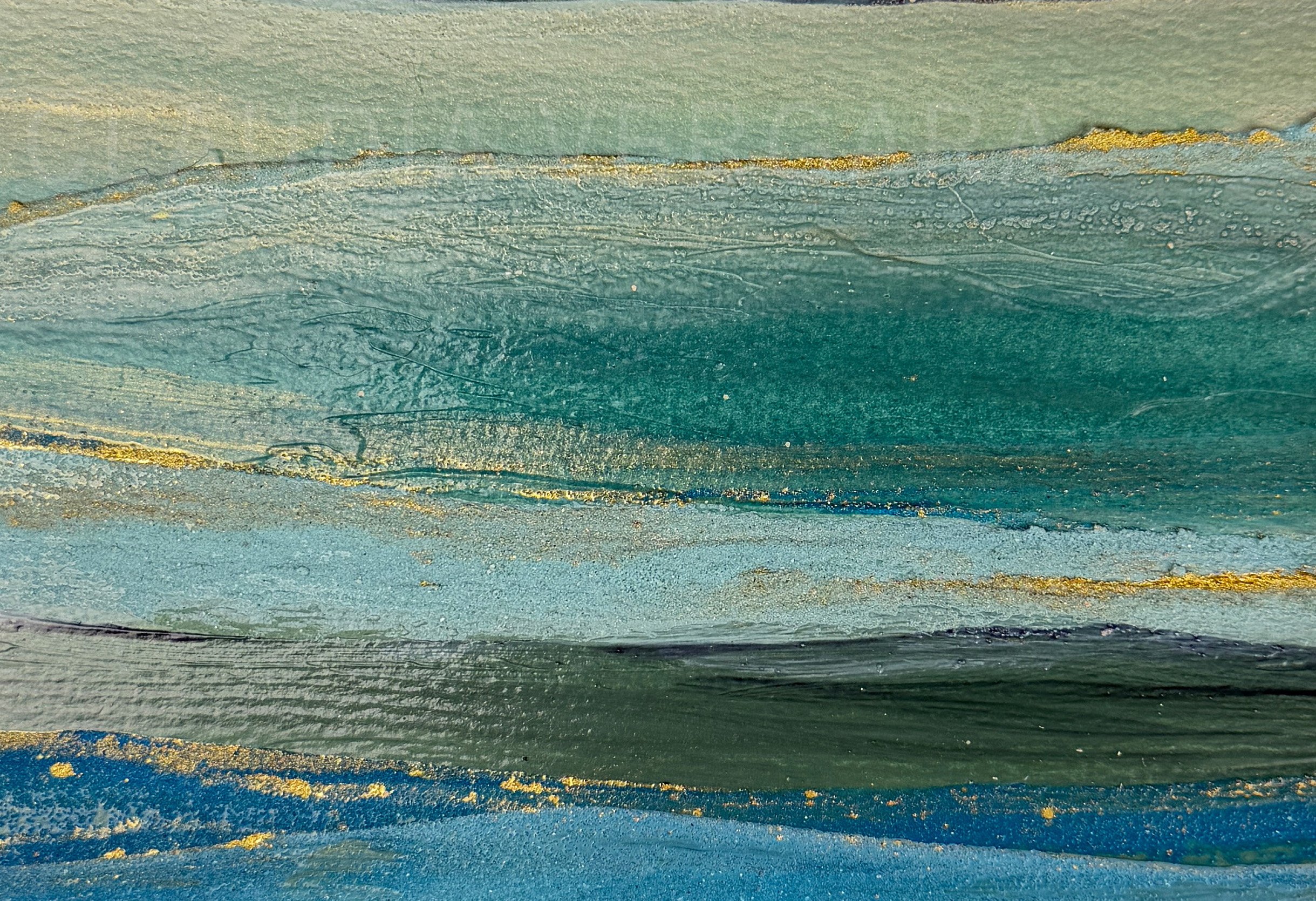
When you look at these paintings, let yourself breathe. Notice the soft gradients. The gentle movement of water meeting sand. This is nature's reminder that change can be peaceful. That protection can be beautiful. That healing happens in the in-between places.
The Science of Sandbars
Here's what most people don't know about Florida's sandbars:
They're ECOSYSTEMS. Juvenile fish, crustaceans, mollusks — they all depend on these shallow zones for survival. Sandbars break wave energy, preventing beach erosion. They filter sediment, keeping water clearer. And they're never static — they migrate with seasonal currents and reshape after every storm.
Dynamic. Protective. Essential.
I painted this series because I wanted to honor what sandbars DO, not just how they look.
The color palette is intentional. Soft aquas and warm sand tones activate your parasympathetic nervous system — the part of your brain responsible for rest and restoration. Neuroaesthetics research confirms it: viewing peaceful nature scenes literally rewires your brain toward calm.
Hang this on your wall, and let it do its work.
You can shape your brain. And it starts with what you let yourself see.
Where Water Meets Sand
I've walked Florida beaches my whole life, and sandbars have always stopped me in my tracks.
These underwater ridges form where waves slow down and drop their sand. They're constantly moving — shaped by storms, tides, and time. They create shallow pools where baby fish hide from predators. Where hermit crabs dig in. Where shorebirds rest and feed.
Sandbars PROTECT.
They NURTURE.
They ADAPT.
Painting them felt like painting resilience itself.
The soft blues and sandy neutrals in this series aren't just colors — they're frequencies. Research shows nature scenes reduce cortisol and activate your brain's relaxation response. These paintings are designed to help you BREATHE.
Let them remind you: You can shift. You can rebuild. You are stronger than you think.
The Science of Sandbars
Here's what most people don't know about Florida's sandbars:
They're ECOSYSTEMS. Juvenile fish, crustaceans, mollusks — they all depend on these shallow zones for survival. Sandbars break wave energy, preventing beach erosion. They filter sediment, keeping water clearer. And they're never static — they migrate with seasonal currents and reshape after every storm.
Dynamic. Protective. Essential.
I painted this series because I wanted to honor what sandbars DO, not just how they look.
The color palette is intentional. Soft aquas and warm sand tones activate your parasympathetic nervous system — the part of your brain responsible for rest and restoration. Neuroaesthetics research confirms it: viewing peaceful nature scenes literally rewires your brain toward calm.
Hang this on your wall, and let it do its work.
You can shape your brain. And it starts with what you let yourself see.
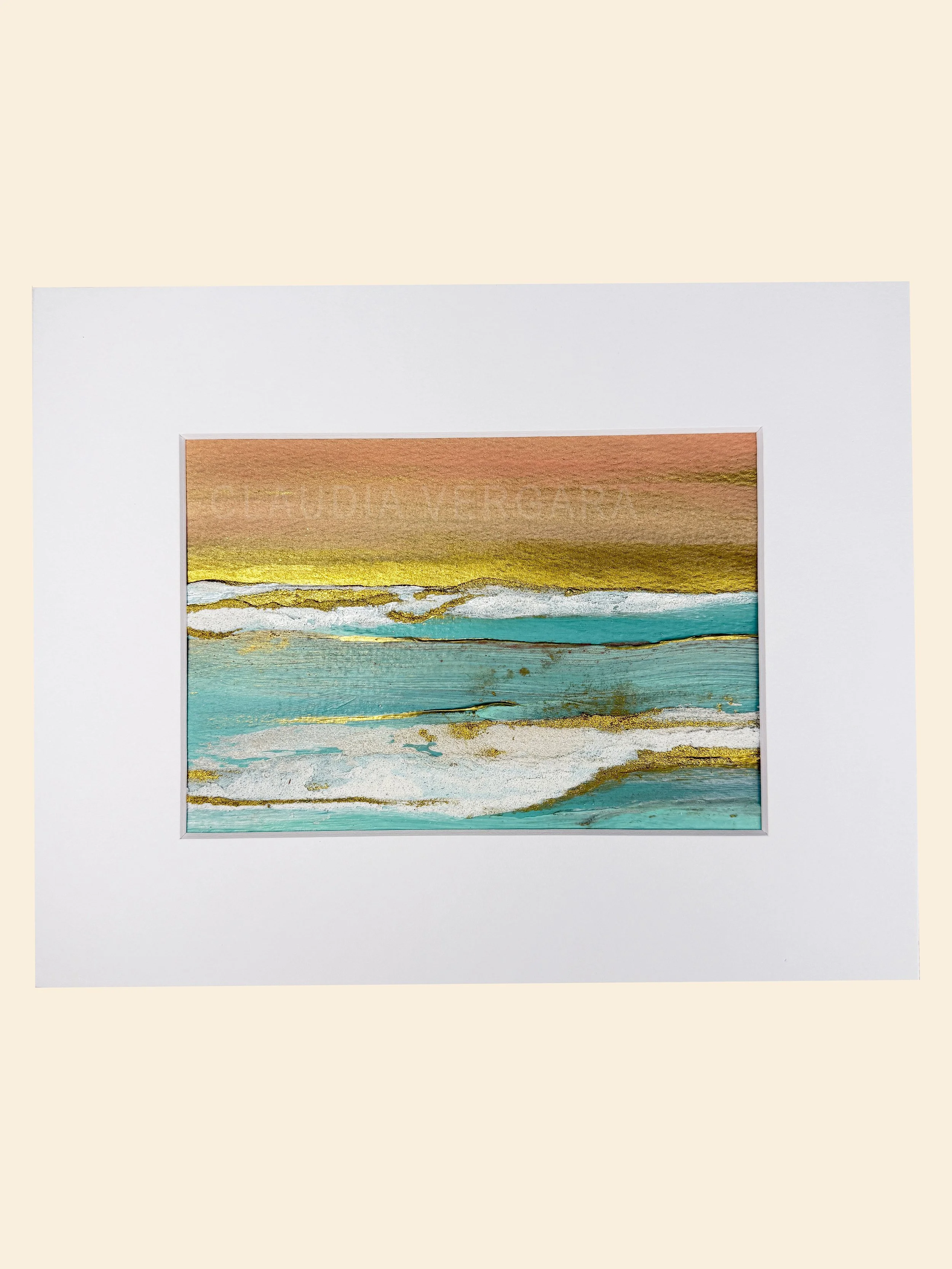
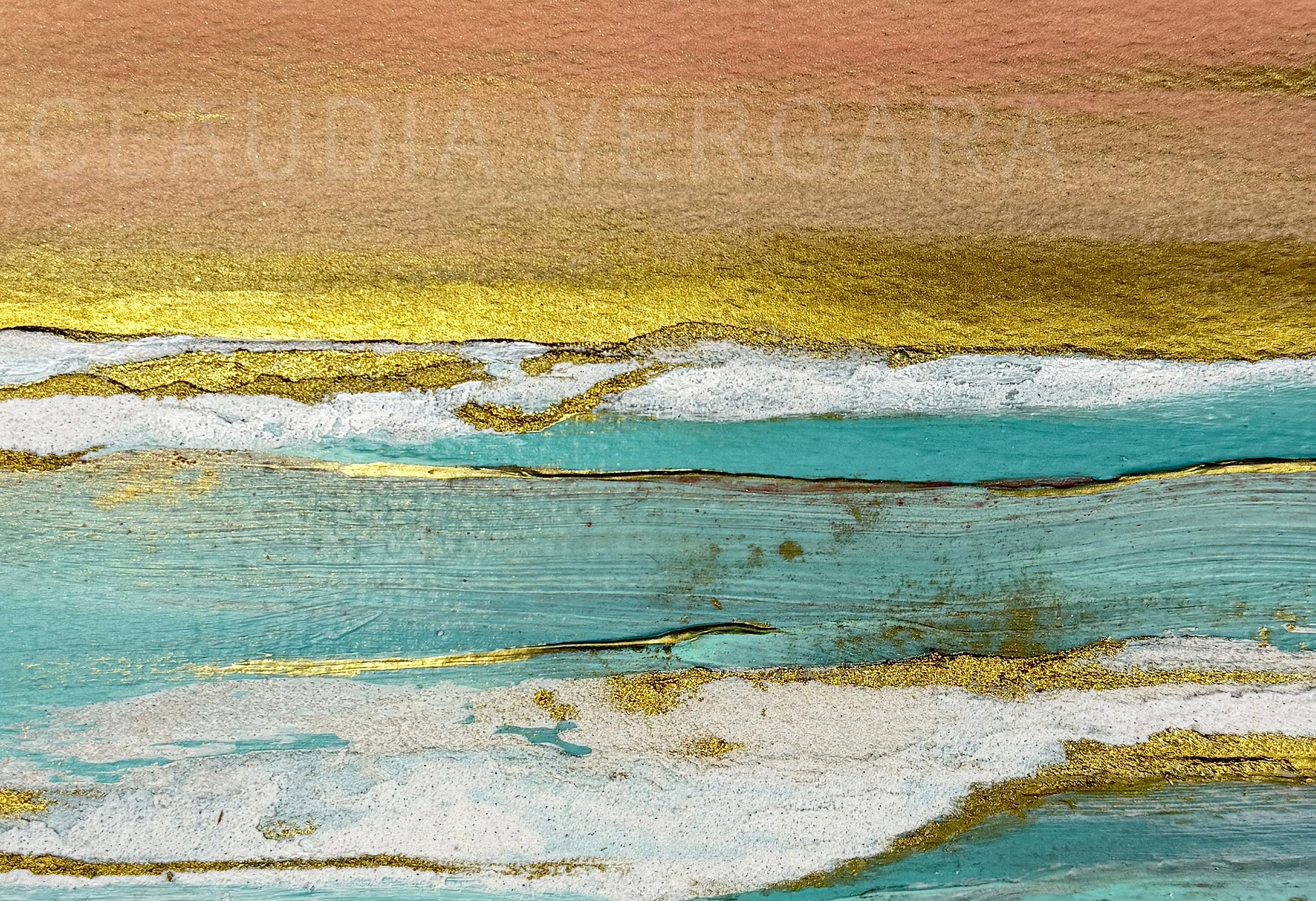
The Science of Sandbars
Here's what most people don't know about Florida's sandbars:
They're ECOSYSTEMS. Juvenile fish, crustaceans, mollusks — they all depend on these shallow zones for survival. Sandbars break wave energy, preventing beach erosion. They filter sediment, keeping water clearer. And they're never static — they migrate with seasonal currents and reshape after every storm.
Dynamic. Protective. Essential.
I painted this series because I wanted to honor what sandbars DO, not just how they look.
The color palette is intentional. Soft aquas and warm sand tones activate your parasympathetic nervous system — the part of your brain responsible for rest and restoration. Neuroaesthetics research confirms it: viewing peaceful nature scenes literally rewires your brain toward calm.
Hang this on your wall, and let it do its work.
You can shape your brain. And it starts with what you let yourself see.
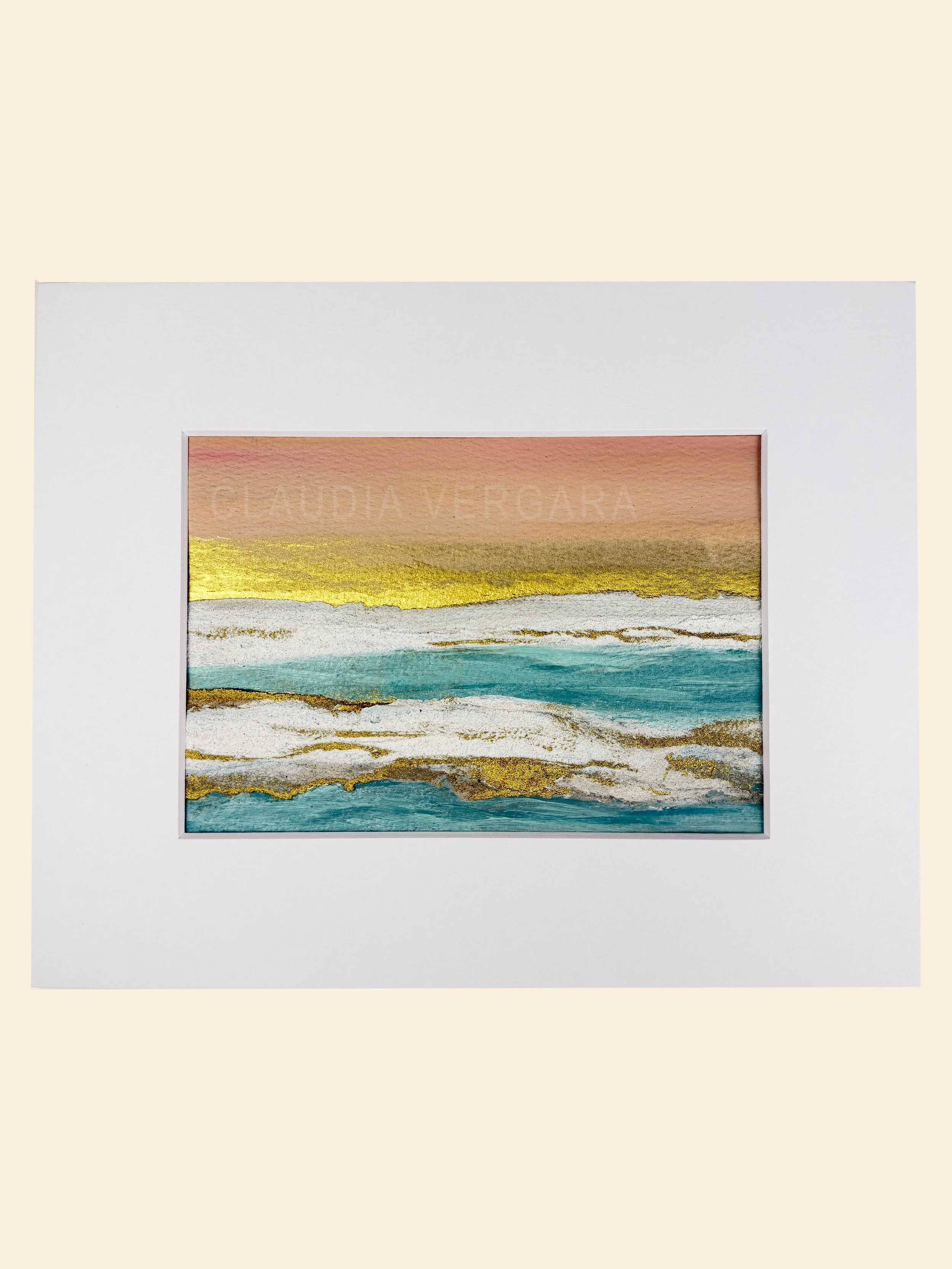
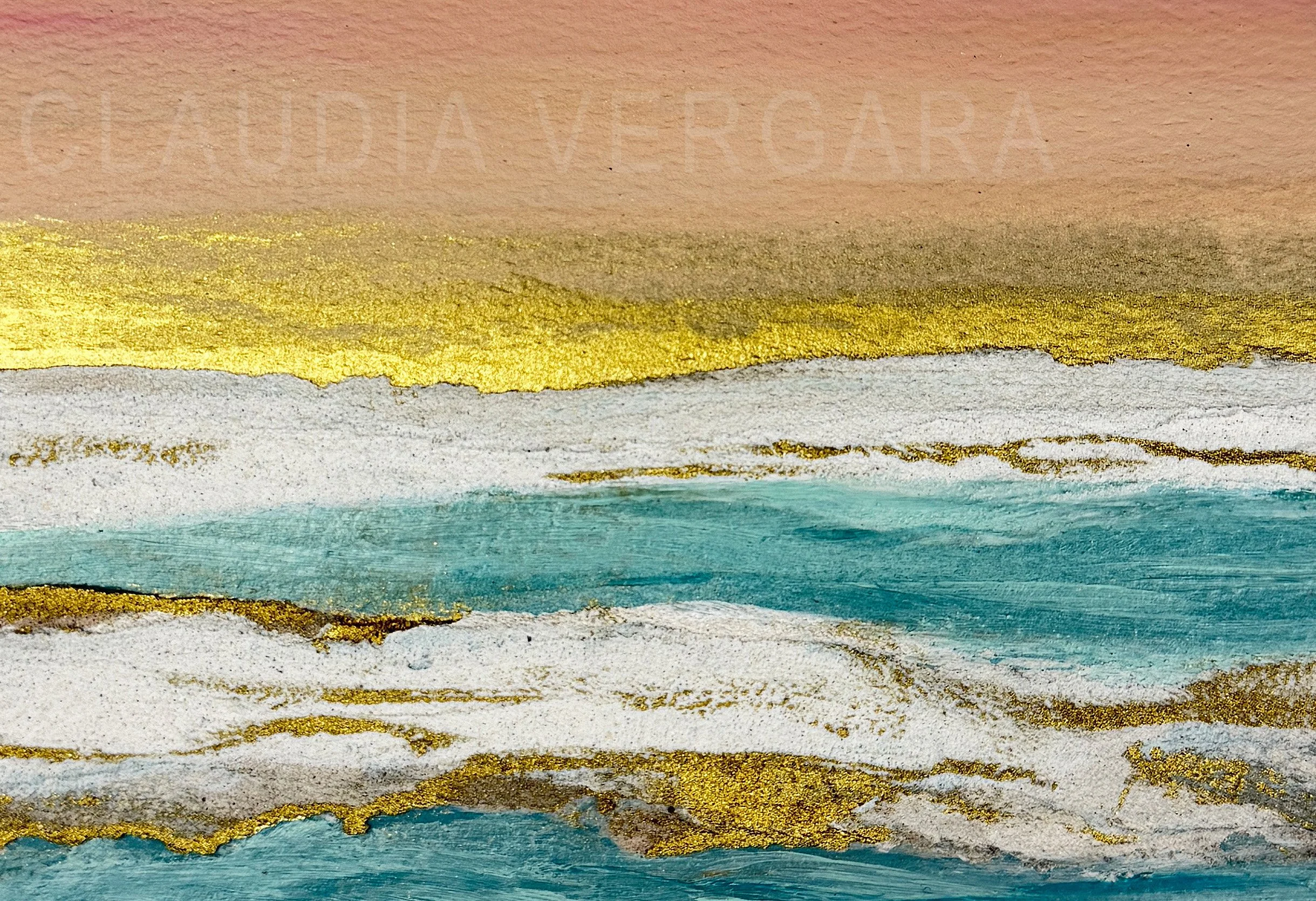
Sandbars of the Gulf Coast
These shifting ribbons of sand are more than beautiful — they're ALIVE.
Florida's sandbars form where waves, currents, and tides dance together. They protect our shorelines from erosion. They filter water. They create safe nurseries for baby fish, crabs, and shorebirds learning to survive.
Sandbars aren't permanent. They shift. They change. They rebuild.
Just like us.
When you look at these paintings, let yourself breathe. Notice the soft gradients. The gentle movement of water meeting sand. This is nature's reminder that change can be peaceful. That protection can be beautiful. That healing happens in the in-between places.
Sandbars of the Gulf Coast
These shifting ribbons of sand are more than beautiful — they're ALIVE.
Florida's sandbars form where waves, currents, and tides dance together. They protect our shorelines from erosion. They filter water. They create safe nurseries for baby fish, crabs, and shorebirds learning to survive.
Sandbars aren't permanent. They shift. They change. They rebuild.
Just like us.
When you look at these paintings, let yourself breathe. Notice the soft gradients. The gentle movement of water meeting sand. This is nature's reminder that change can be peaceful. That protection can be beautiful. That healing happens in the in-between places.
Where Water Meets Sand
I've walked Florida beaches my whole life, and sandbars have always stopped me in my tracks.
These underwater ridges form where waves slow down and drop their sand. They're constantly moving — shaped by storms, tides, and time. They create shallow pools where baby fish hide from predators. Where hermit crabs dig in. Where shorebirds rest and feed.
Sandbars PROTECT.
They NURTURE.
They ADAPT.
Painting them felt like painting resilience itself.
The soft blues and sandy neutrals in this series aren't just colors — they're frequencies. Research shows nature scenes reduce cortisol and activate your brain's relaxation response. These paintings are designed to help you BREATHE.
Let them remind you: You can shift. You can rebuild. You are stronger than you think.
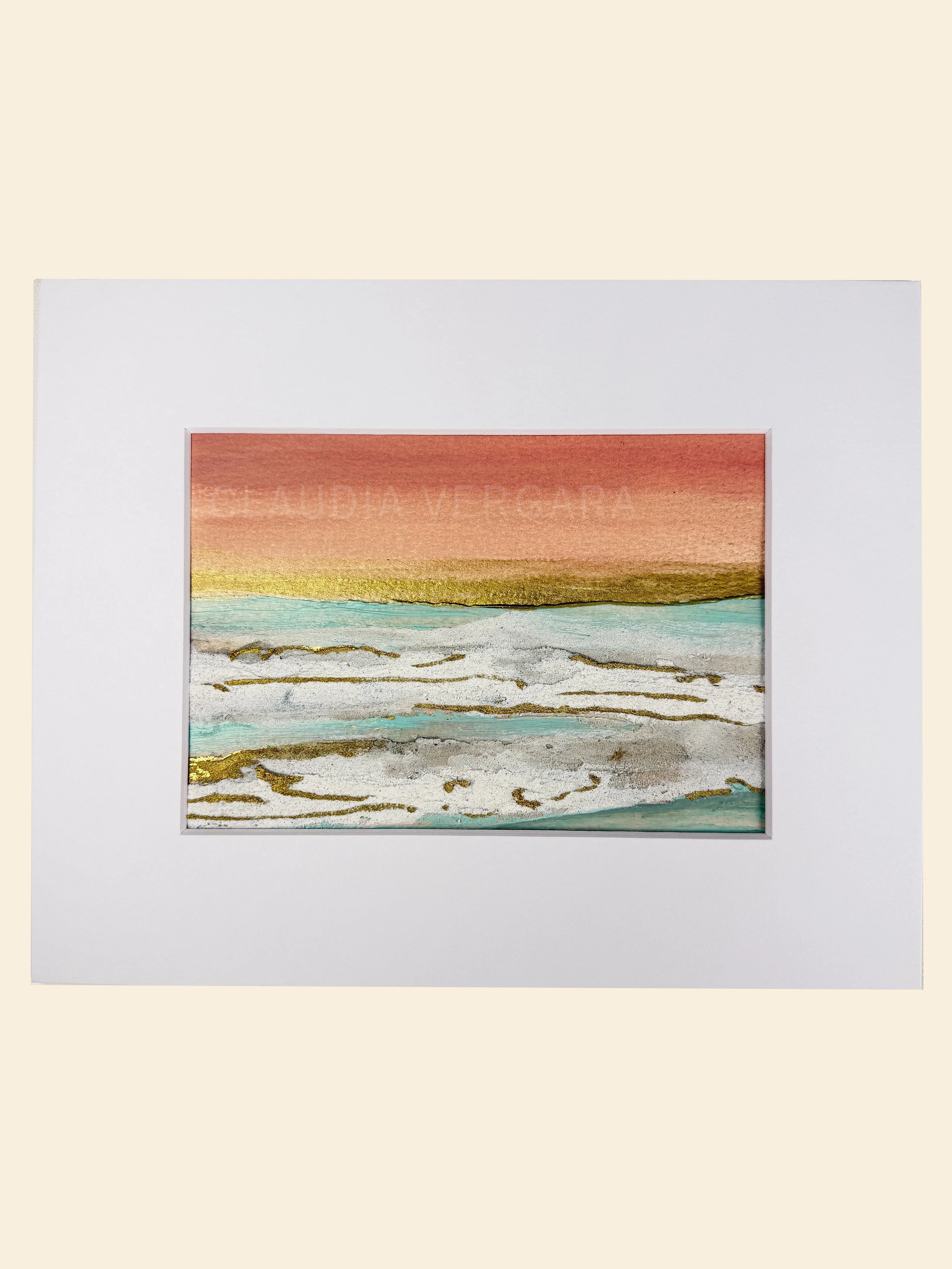
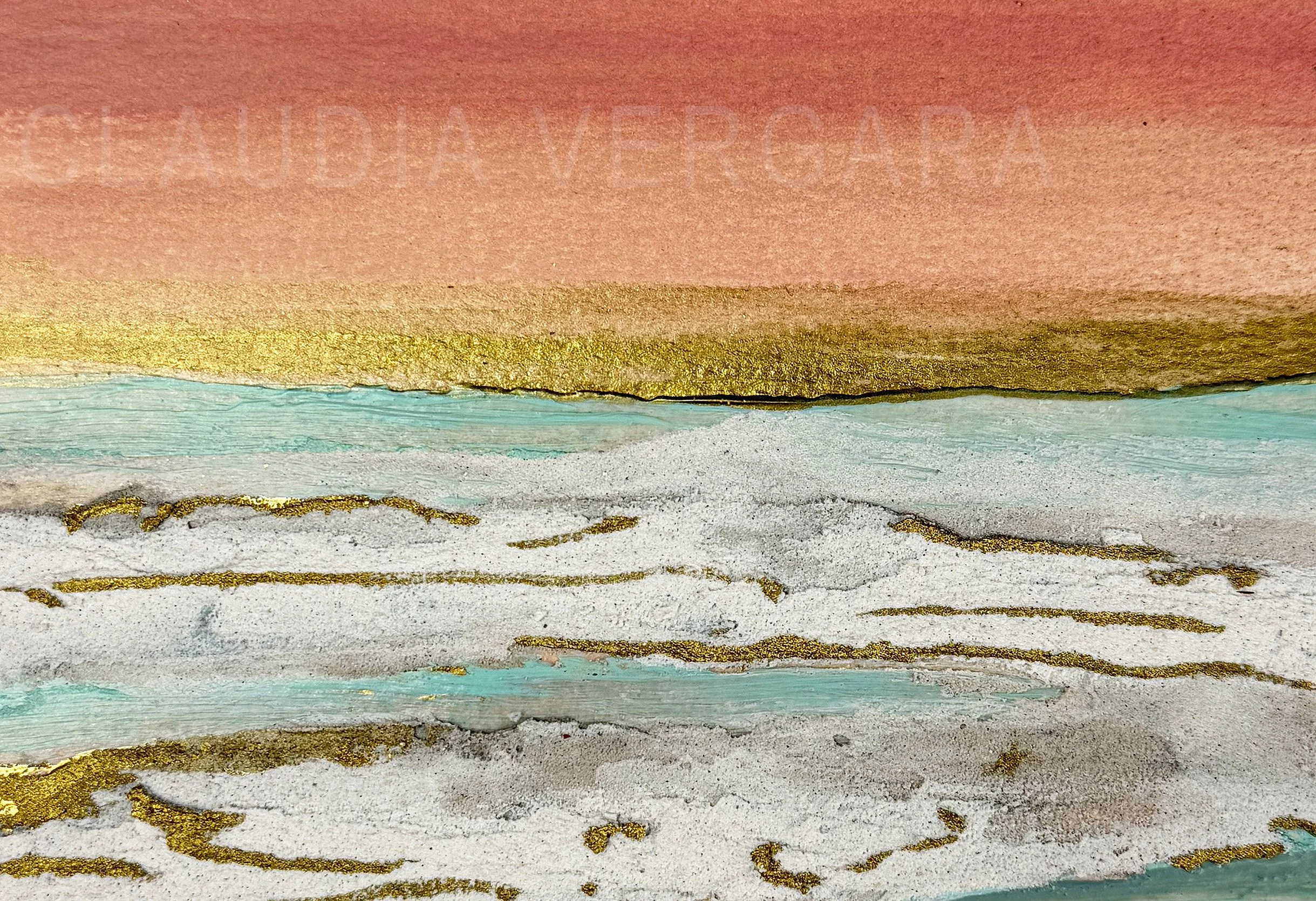
Where Water Meets Sand
I've walked Florida beaches my whole life, and sandbars have always stopped me in my tracks.
These underwater ridges form where waves slow down and drop their sand. They're constantly moving — shaped by storms, tides, and time. They create shallow pools where baby fish hide from predators. Where hermit crabs dig in. Where shorebirds rest and feed.
Sandbars PROTECT.
They NURTURE.
They ADAPT.
Painting them felt like painting resilience itself.
The soft blues and sandy neutrals in this series aren't just colors — they're frequencies. Research shows nature scenes reduce cortisol and activate your brain's relaxation response. These paintings are designed to help you BREATHE.
Let them remind you: You can shift. You can rebuild. You are stronger than you think.
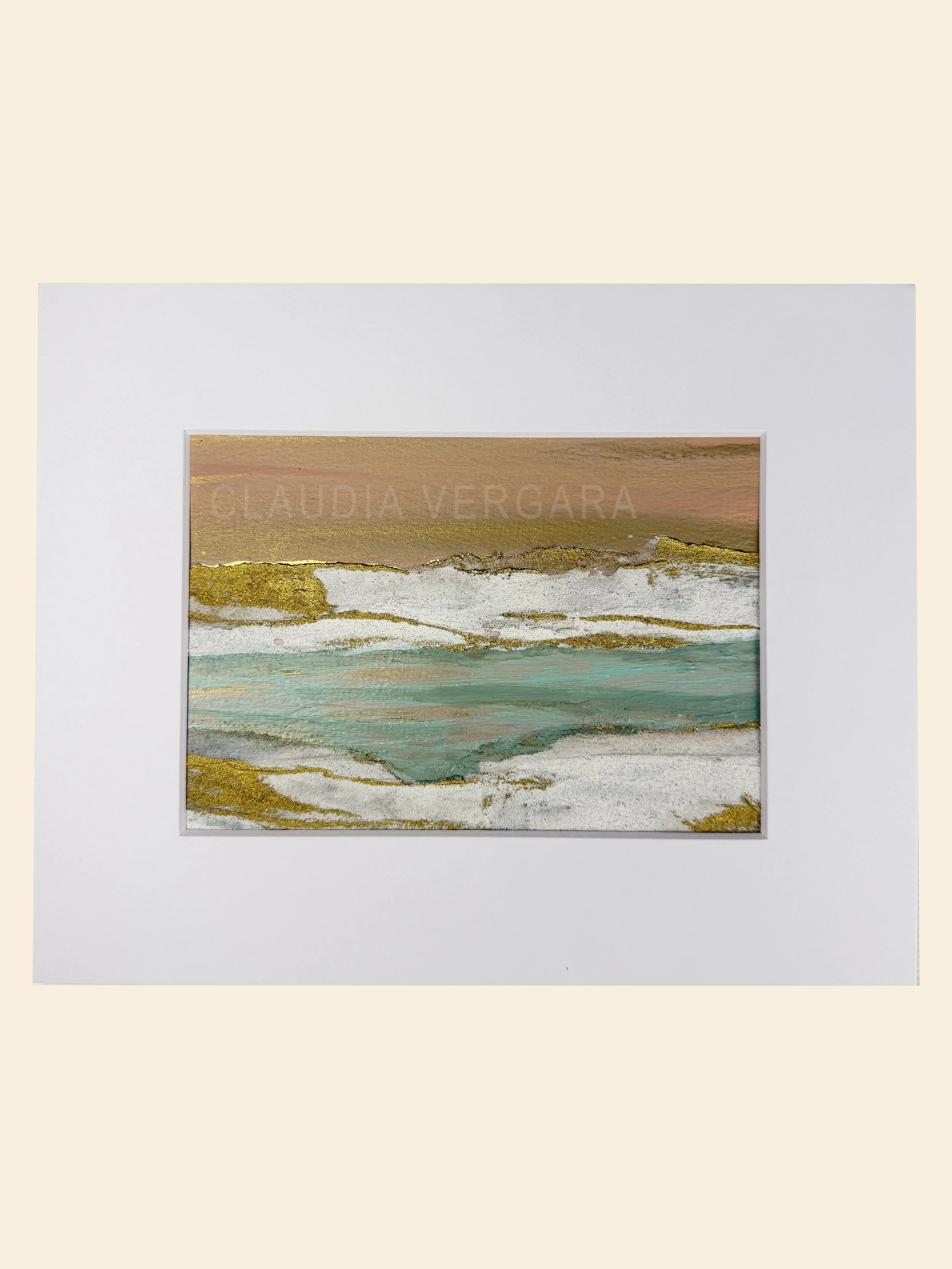
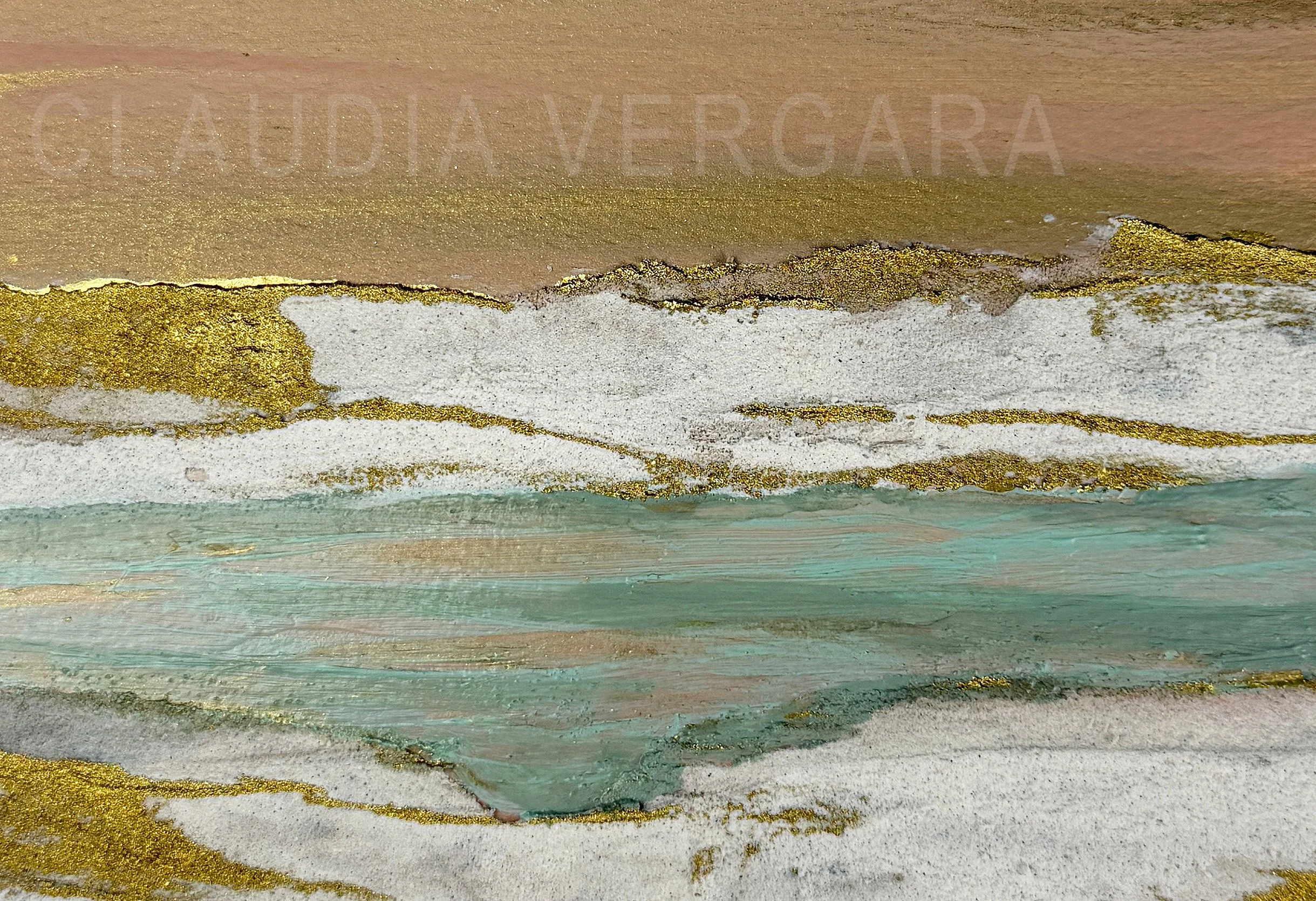
Sandbars of the Gulf Coast
These shifting ribbons of sand are more than beautiful — they're ALIVE.
Florida's sandbars form where waves, currents, and tides dance together. They protect our shorelines from erosion. They filter water. They create safe nurseries for baby fish, crabs, and shorebirds learning to survive.
Sandbars aren't permanent. They shift. They change. They rebuild.
Just like us.
When you look at these paintings, let yourself breathe. Notice the soft gradients. The gentle movement of water meeting sand. This is nature's reminder that change can be peaceful. That protection can be beautiful. That healing happens in the in-between places.
The Science of Sandbars
Here's what most people don't know about Florida's sandbars:
They're ECOSYSTEMS. Juvenile fish, crustaceans, mollusks — they all depend on these shallow zones for survival. Sandbars break wave energy, preventing beach erosion. They filter sediment, keeping water clearer. And they're never static — they migrate with seasonal currents and reshape after every storm.
Dynamic. Protective. Essential.
I painted this series because I wanted to honor what sandbars DO, not just how they look.
The color palette is intentional. Soft aquas and warm sand tones activate your parasympathetic nervous system — the part of your brain responsible for rest and restoration. Neuroaesthetics research confirms it: viewing peaceful nature scenes literally rewires your brain toward calm.
Hang this on your wall, and let it do its work.
You can shape your brain. And it starts with what you let yourself see.
The Science of Sandbars
Here's what most people don't know about Florida's sandbars:
They're ECOSYSTEMS. Juvenile fish, crustaceans, mollusks — they all depend on these shallow zones for survival. Sandbars break wave energy, preventing beach erosion. They filter sediment, keeping water clearer. And they're never static — they migrate with seasonal currents and reshape after every storm.
Dynamic. Protective. Essential.
I painted this series because I wanted to honor what sandbars DO, not just how they look.
The color palette is intentional. Soft aquas and warm sand tones activate your parasympathetic nervous system — the part of your brain responsible for rest and restoration. Neuroaesthetics research confirms it: viewing peaceful nature scenes literally rewires your brain toward calm.
Hang this on your wall, and let it do its work.
You can shape your brain. And it starts with what you let yourself see.
Where Water Meets Sand
I've walked Florida beaches my whole life, and sandbars have always stopped me in my tracks.
These underwater ridges form where waves slow down and drop their sand. They're constantly moving — shaped by storms, tides, and time. They create shallow pools where baby fish hide from predators. Where hermit crabs dig in. Where shorebirds rest and feed.
Sandbars PROTECT.
They NURTURE.
They ADAPT.
Painting them felt like painting resilience itself.
The soft blues and sandy neutrals in this series aren't just colors — they're frequencies. Research shows nature scenes reduce cortisol and activate your brain's relaxation response. These paintings are designed to help you BREATHE.
Let them remind you: You can shift. You can rebuild. You are stronger than you think.
Sandbars of the Gulf Coast
These shifting ribbons of sand are more than beautiful — they're ALIVE.
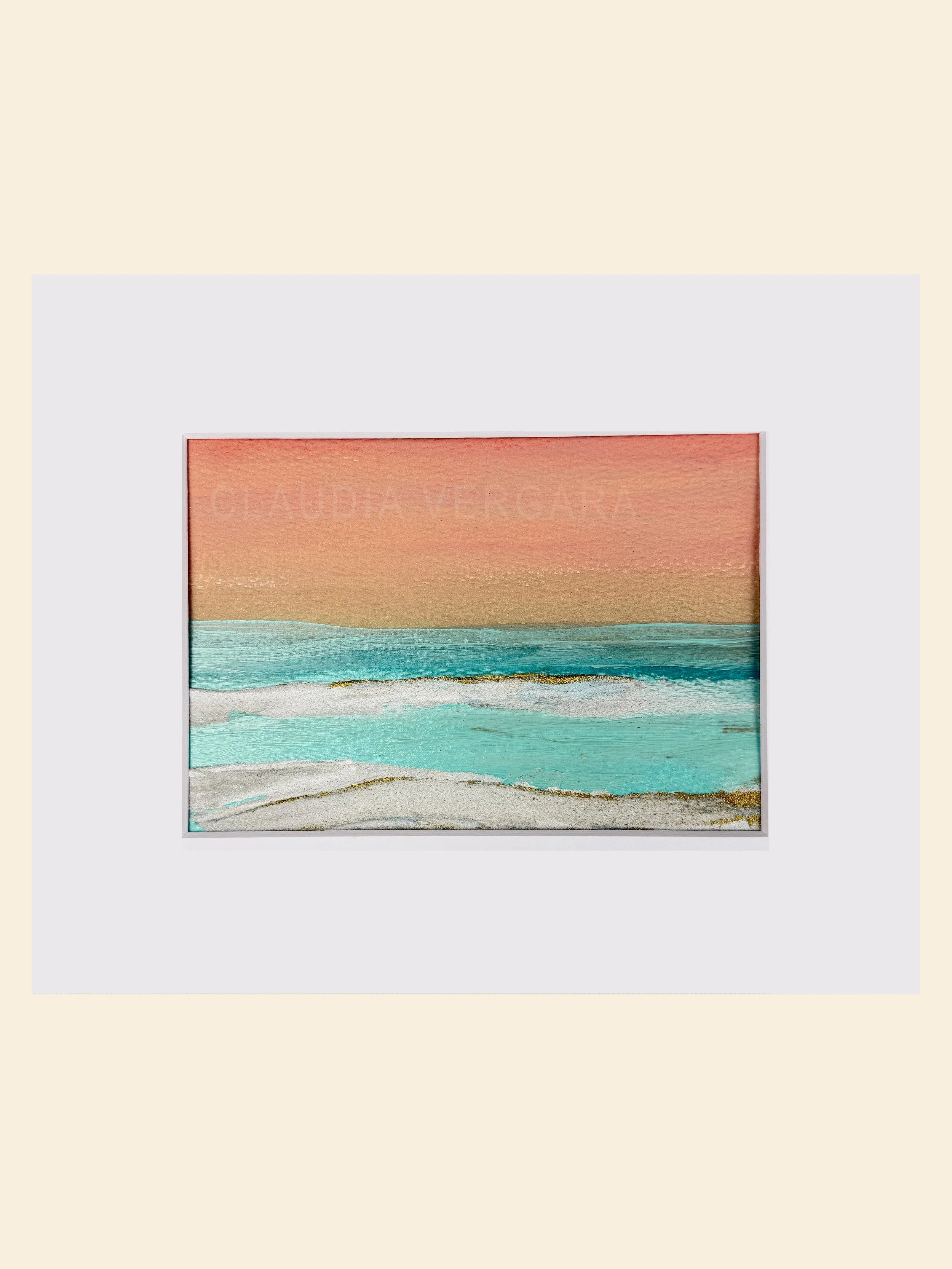
Florida's sandbars form where waves, currents, and tides dance together. They protect our shorelines from erosion. They filter water. They create safe nurseries for baby fish, crabs, and shorebirds learning to survive.
Sandbars aren't permanent. They shift. They change. They rebuild.
Just like us.
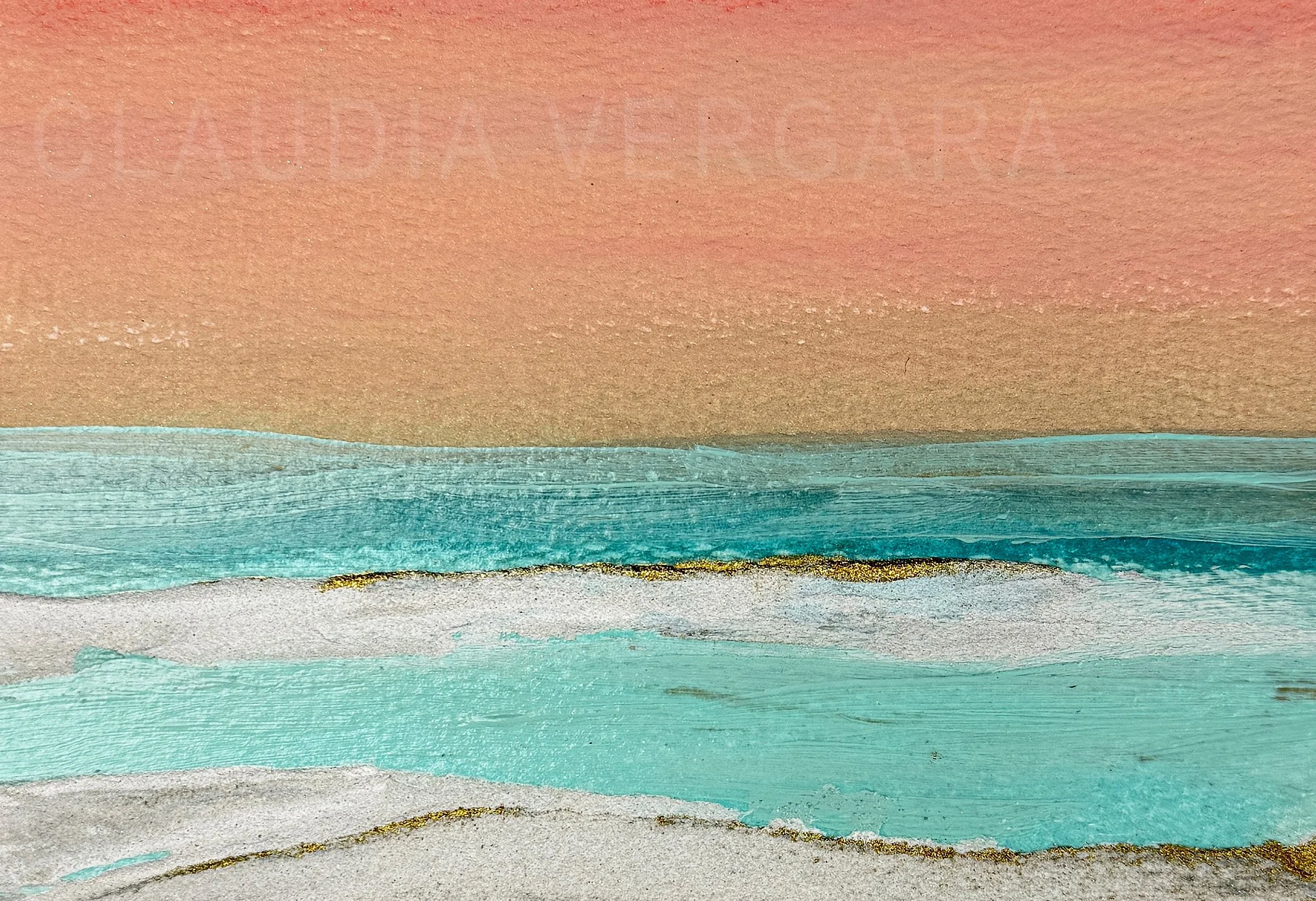
When you look at these paintings, let yourself breathe. Notice the soft gradients. The gentle movement of water meeting sand. This is nature's reminder that change can be peaceful. That protection can be beautiful. That healing happens in the in-between places.
The Science of Sandbars
Here's what most people don't know about Florida's sandbars:
They're ECOSYSTEMS. Juvenile fish, crustaceans, mollusks — they all depend on these shallow zones for survival. Sandbars break wave energy, preventing beach erosion. They filter sediment, keeping water clearer. And they're never static — they migrate with seasonal currents and reshape after every storm.
Dynamic. Protective. Essential.
I painted this series because I wanted to honor what sandbars DO, not just how they look.
The color palette is intentional. Soft aquas and warm sand tones activate your parasympathetic nervous system — the part of your brain responsible for rest and restoration. Neuroaesthetics research confirms it: viewing peaceful nature scenes literally rewires your brain toward calm.
Hang this on your wall, and let it do its work.
You can shape your brain. And it starts with what you let yourself see.
Where Water Meets Sand
I've walked Florida beaches my whole life, and sandbars have always stopped me in my tracks.
These underwater ridges form where waves slow down and drop their sand. They're constantly moving — shaped by storms, tides, and time. They create shallow pools where baby fish hide from predators. Where hermit crabs dig in. Where shorebirds rest and feed.
Sandbars PROTECT.
They NURTURE.
They ADAPT.
Painting them felt like painting resilience itself.
The soft blues and sandy neutrals in this series aren't just colors — they're frequencies. Research shows nature scenes reduce cortisol and activate your brain's relaxation response. These paintings are designed to help you BREATHE.
Let them remind you: You can shift. You can rebuild. You are stronger than you think.
Sandbars of the Gulf Coast
These shifting ribbons of sand are more than beautiful — they're ALIVE.
Florida's sandbars form where waves, currents, and tides dance together. They protect our shorelines from erosion. They filter water. They create safe nurseries for baby fish, crabs, and shorebirds learning to survive.
Sandbars aren't permanent. They shift. They change. They rebuild.
Just like us.
When you look at these paintings, let yourself breathe. Notice the soft gradients. The gentle movement of water meeting sand. This is nature's reminder that change can be peaceful. That protection can be beautiful. That healing happens in the in-between places.
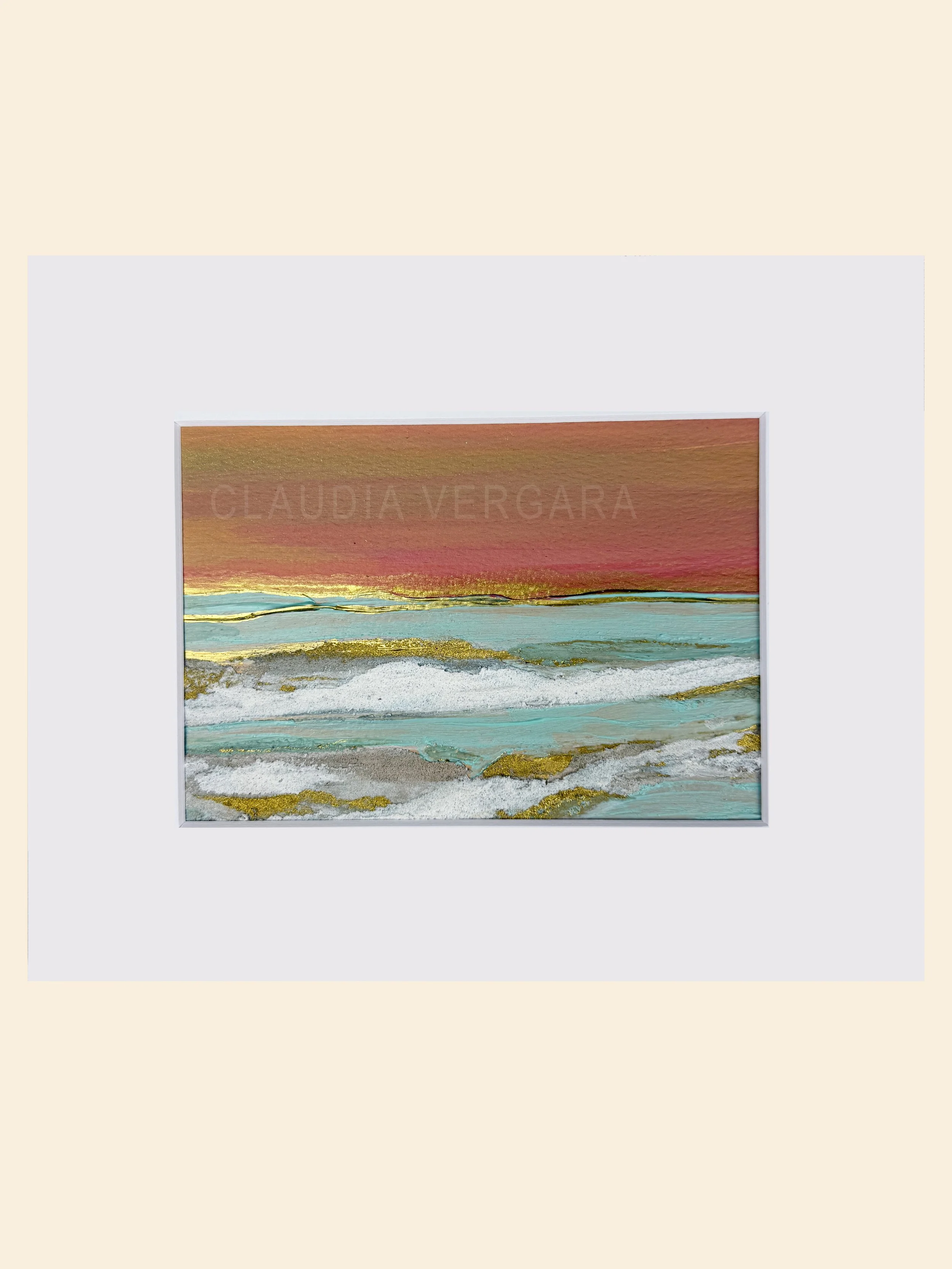
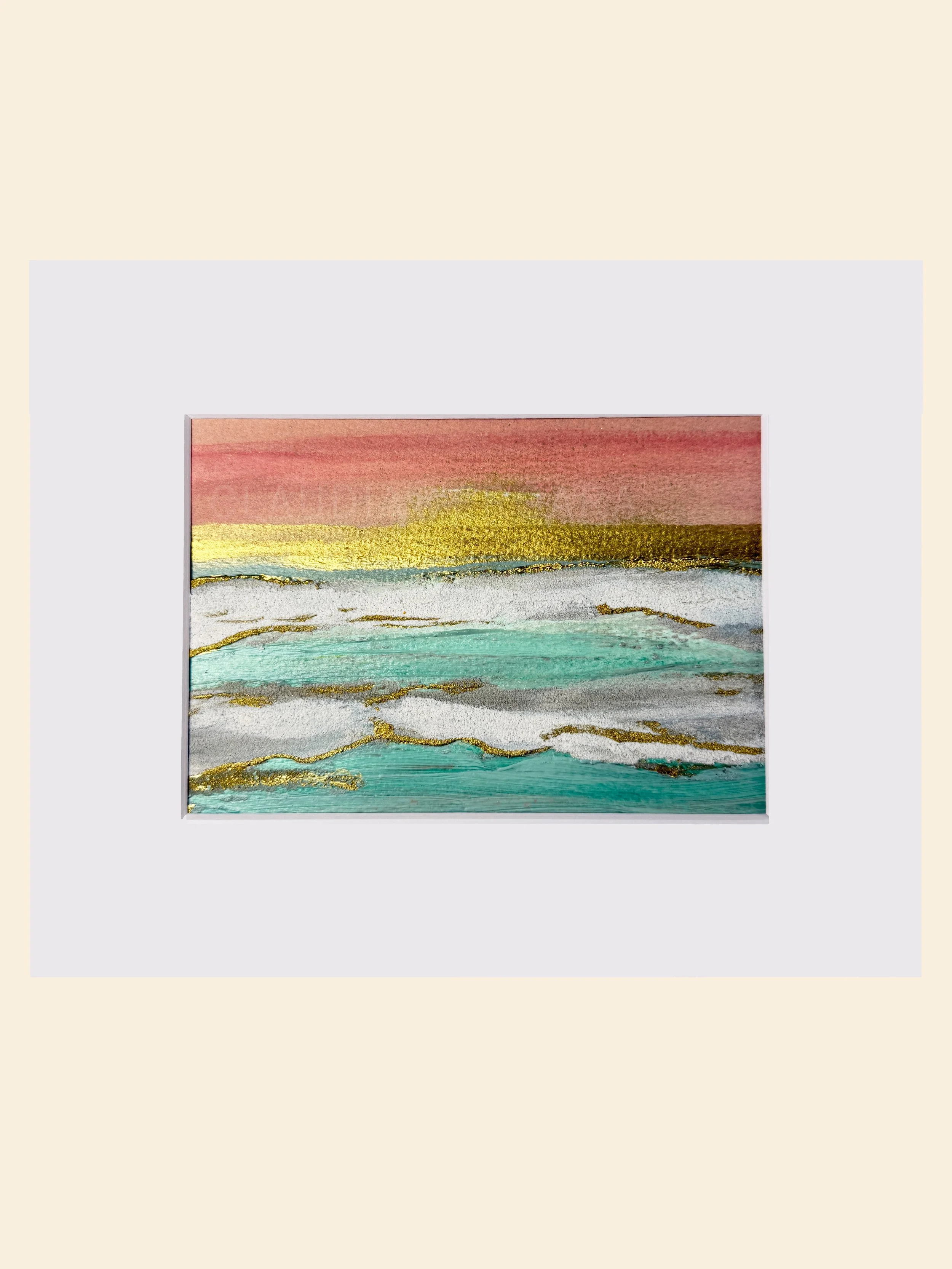
$250 each, $400 when you buy two, $500 when you buy three.
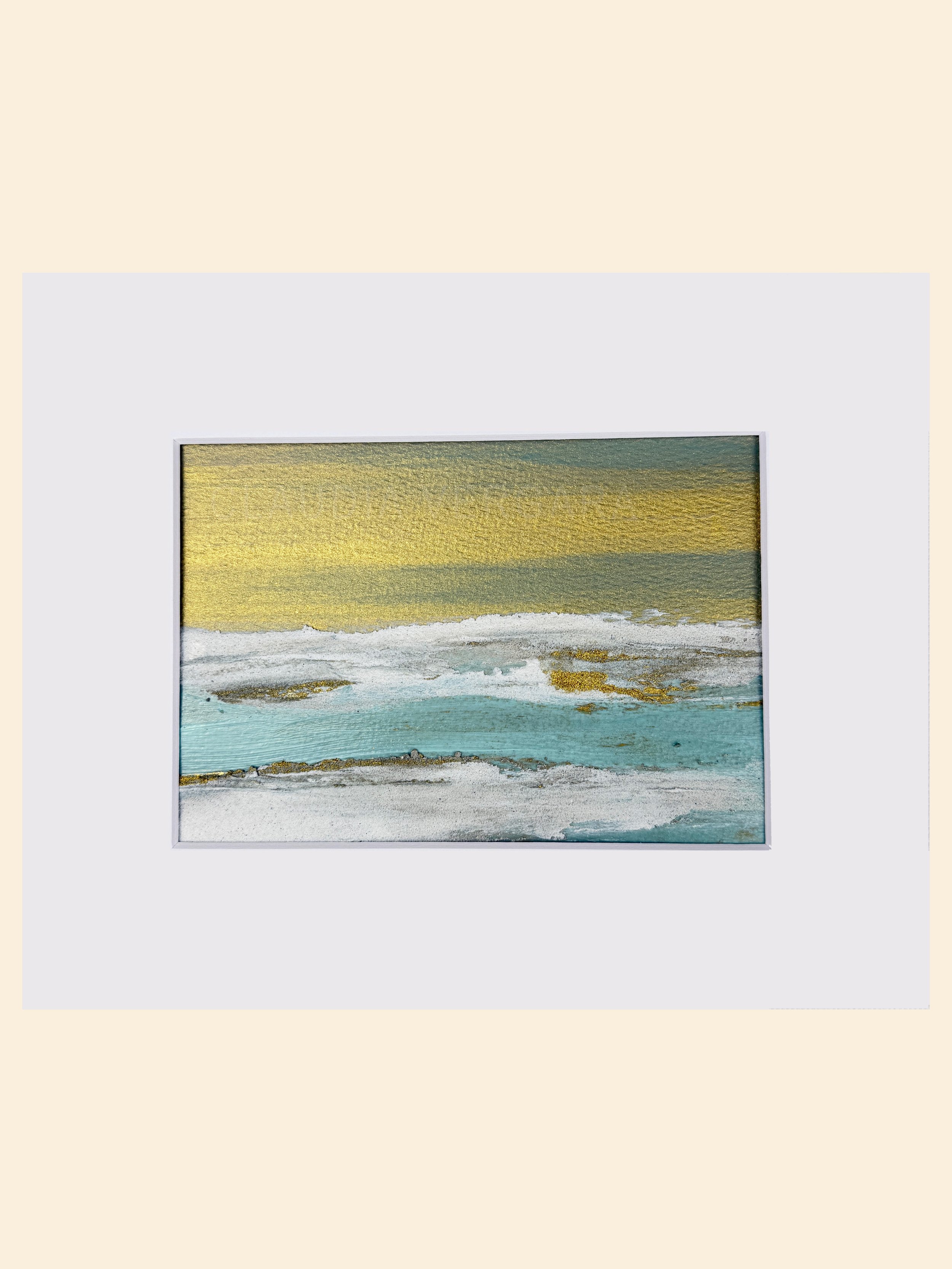
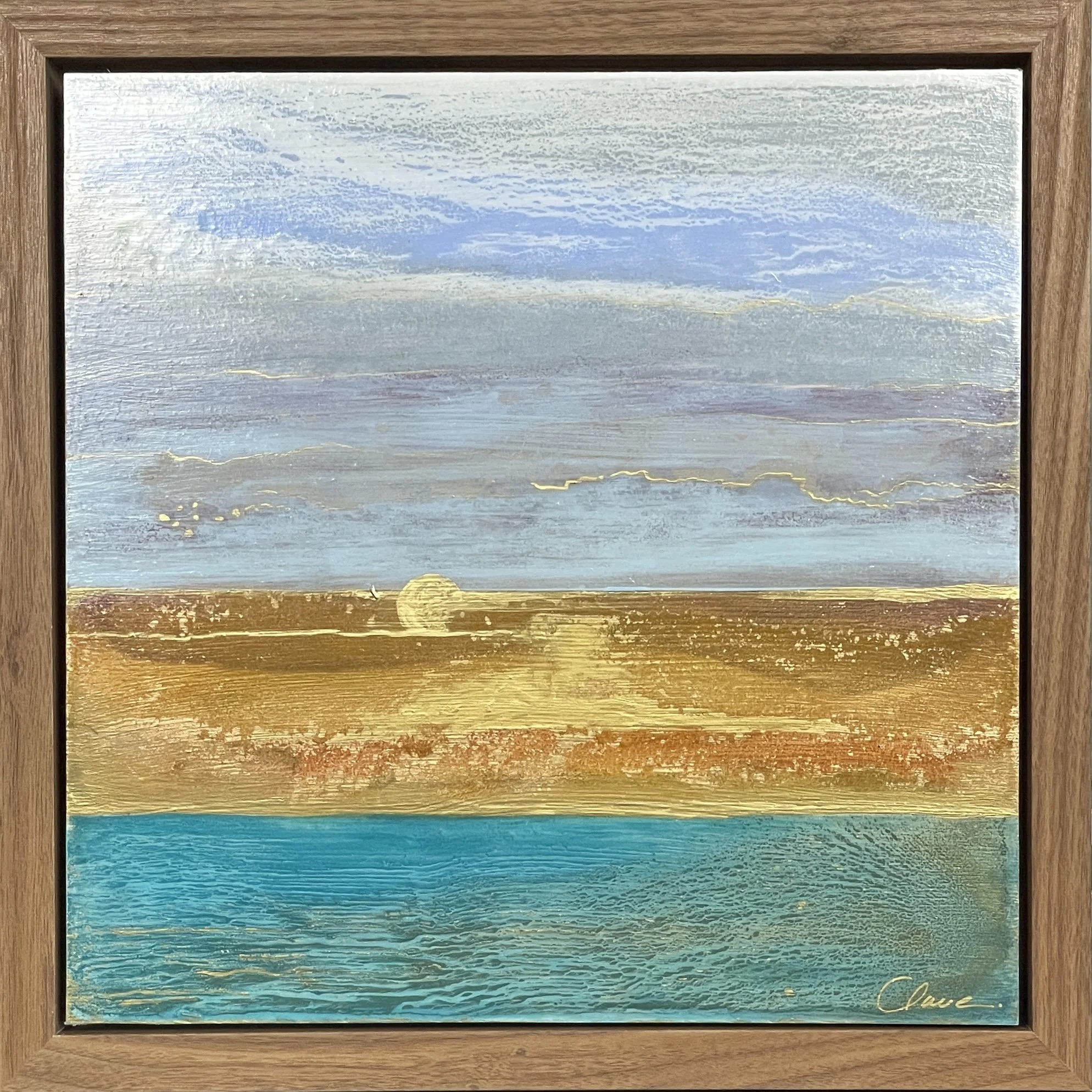
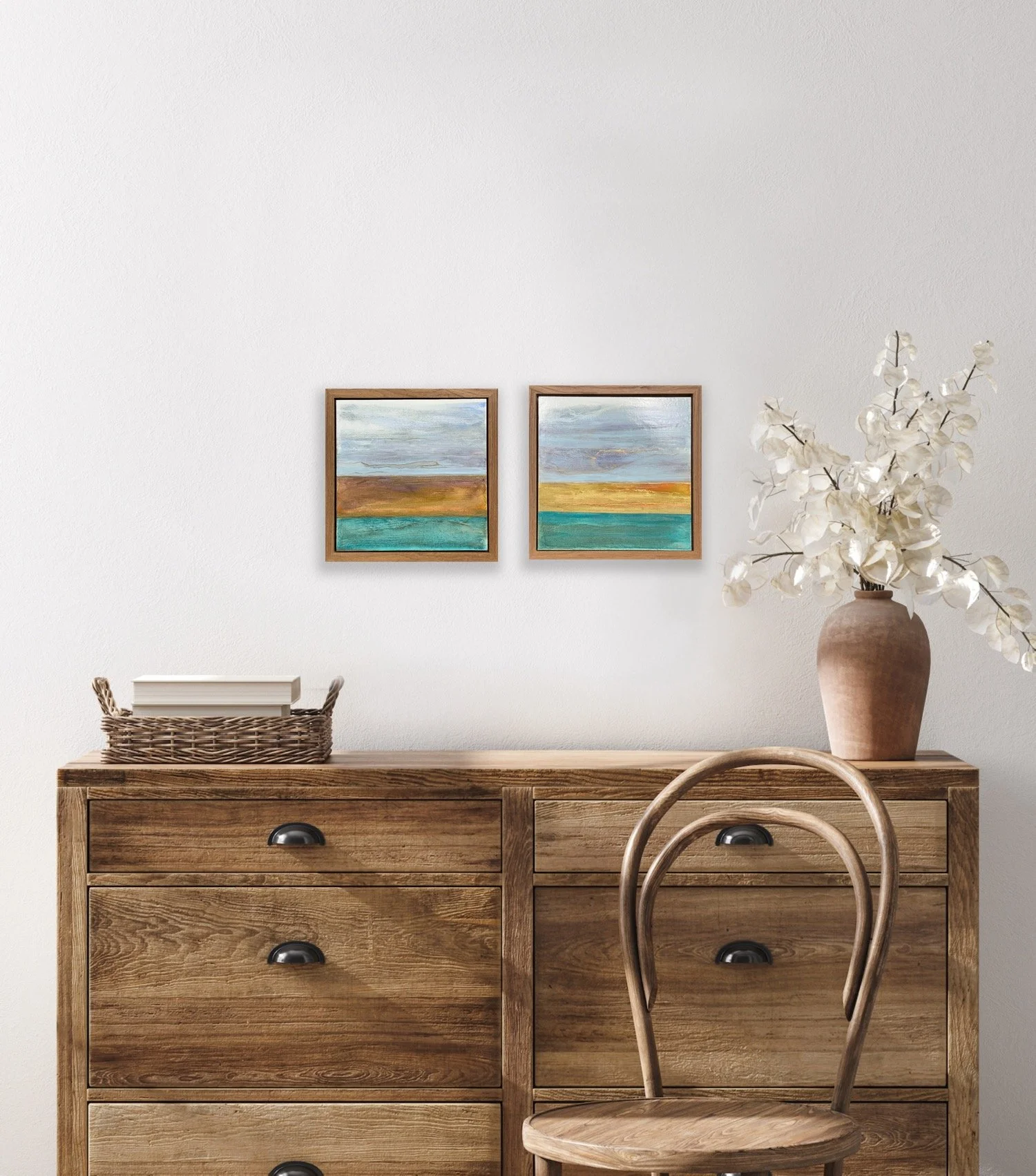
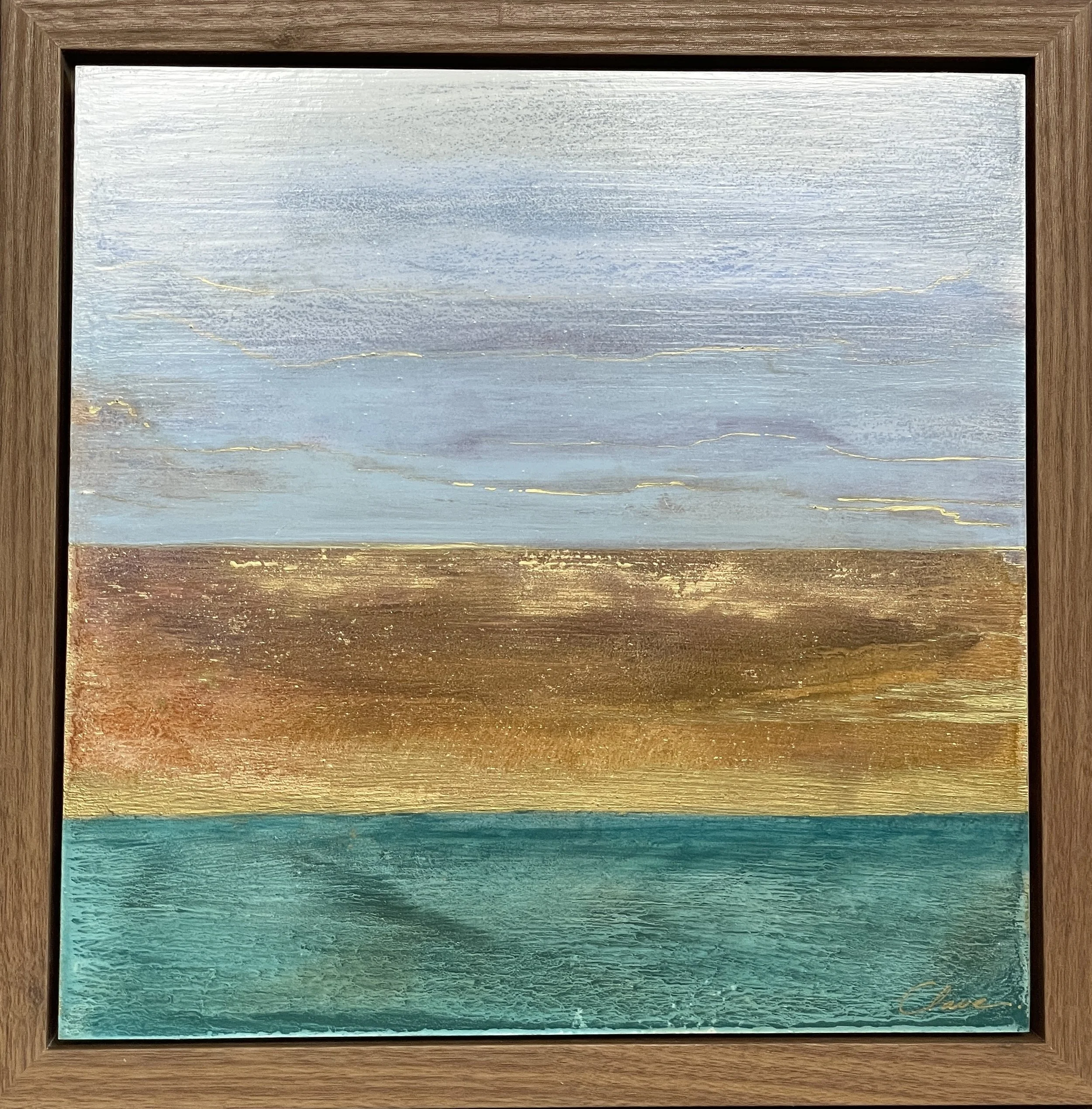
Frame included: MCS Canvas Float Frames 12x12 Frame, Walnut Woodgrain
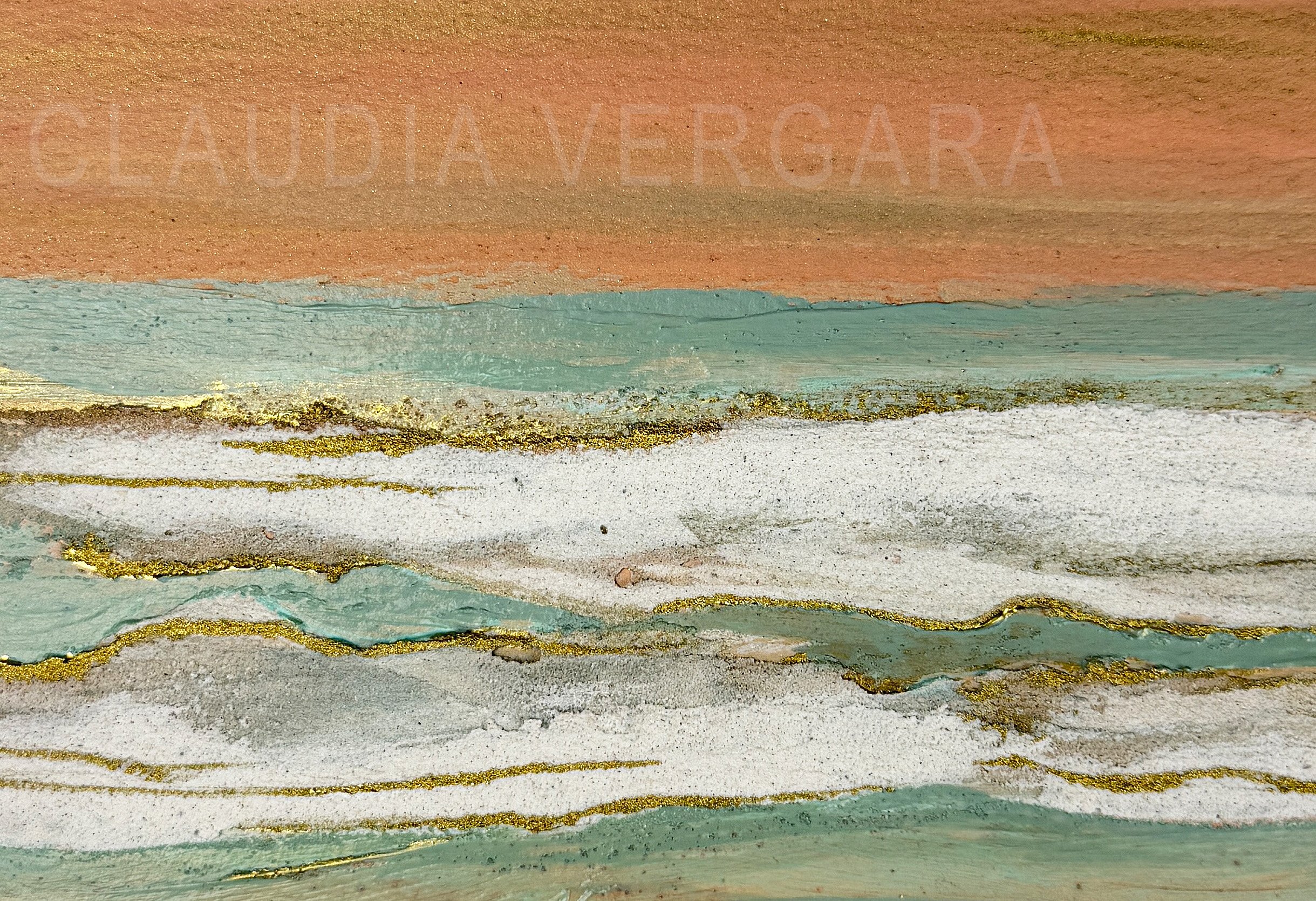
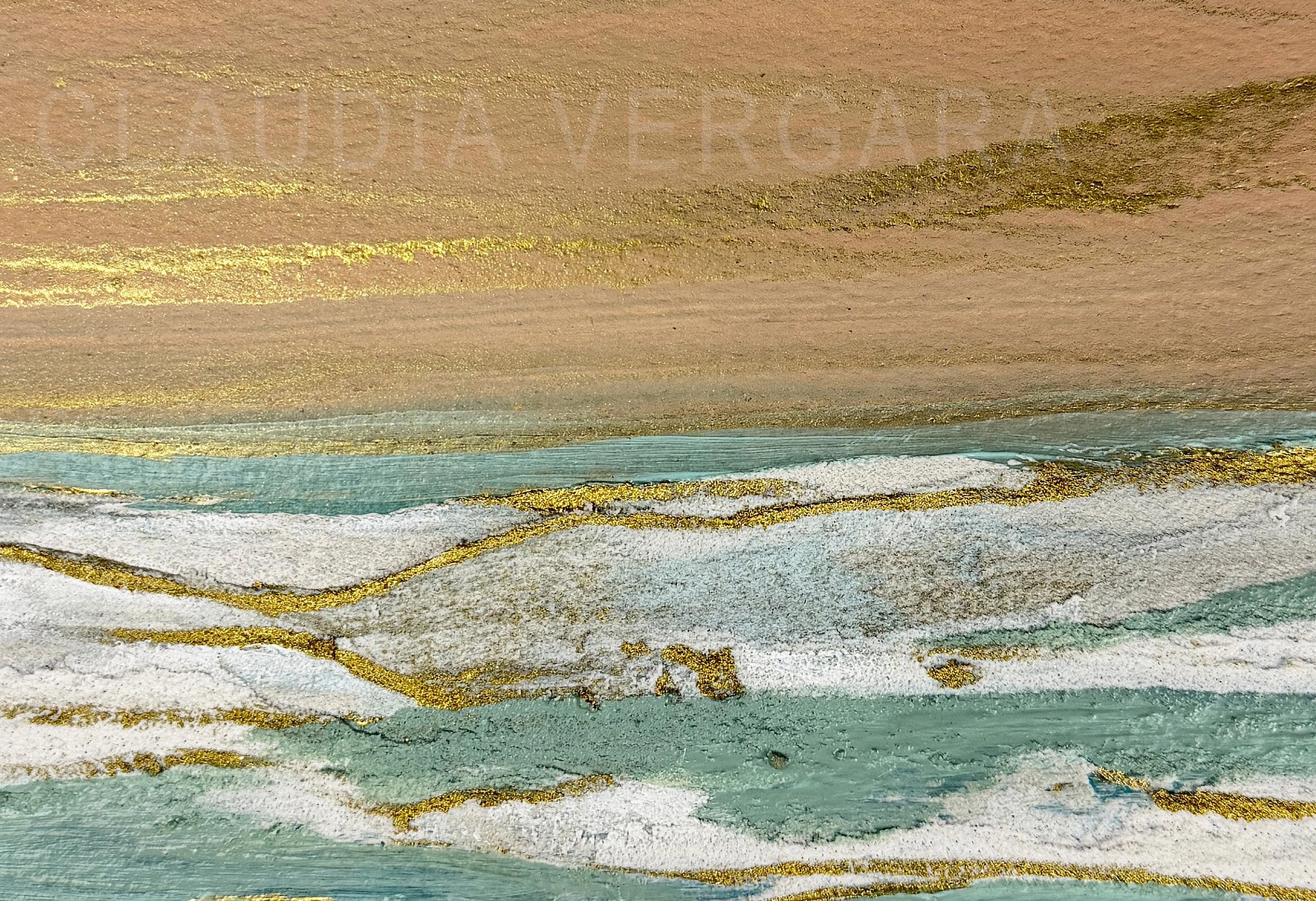
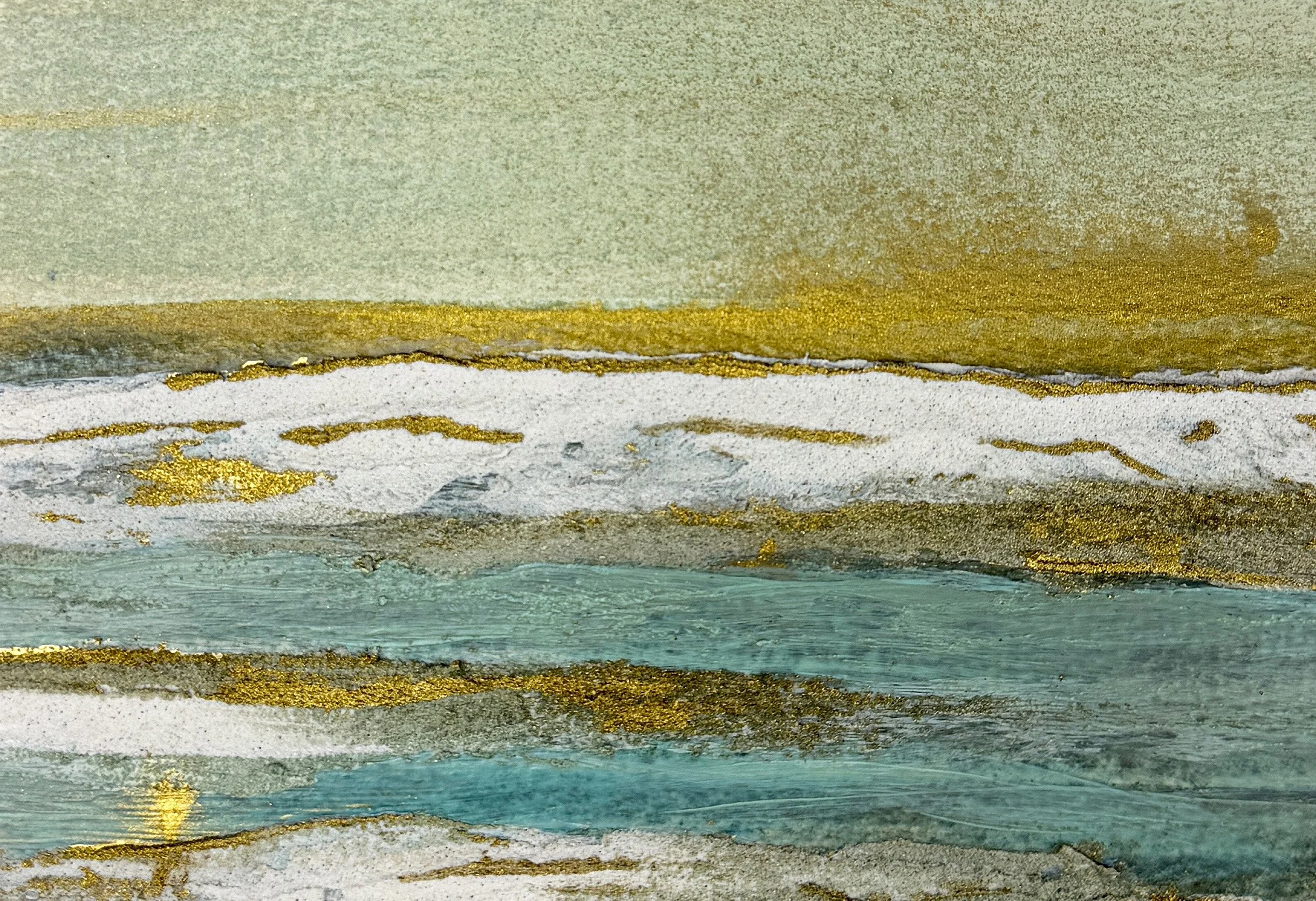
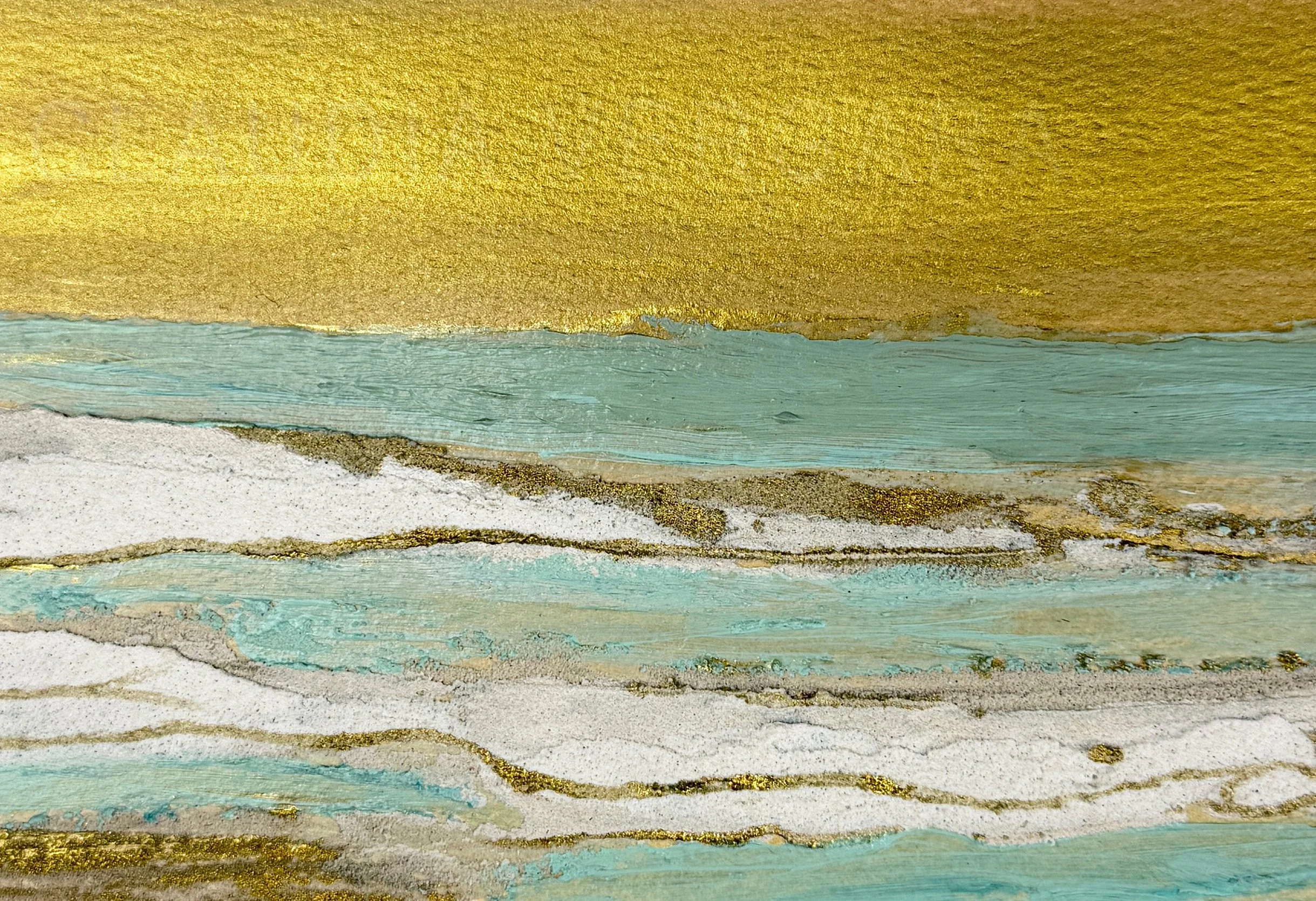
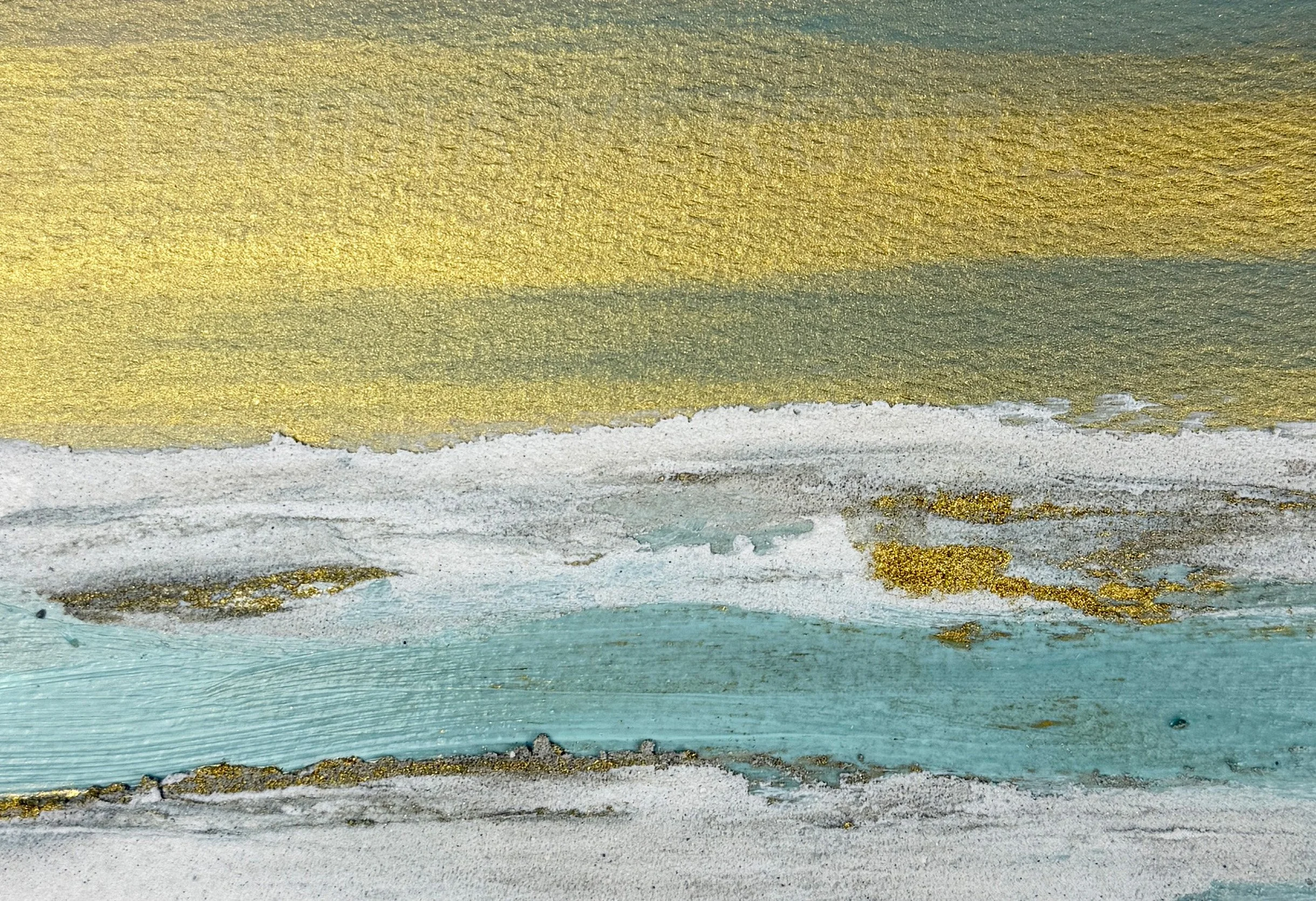
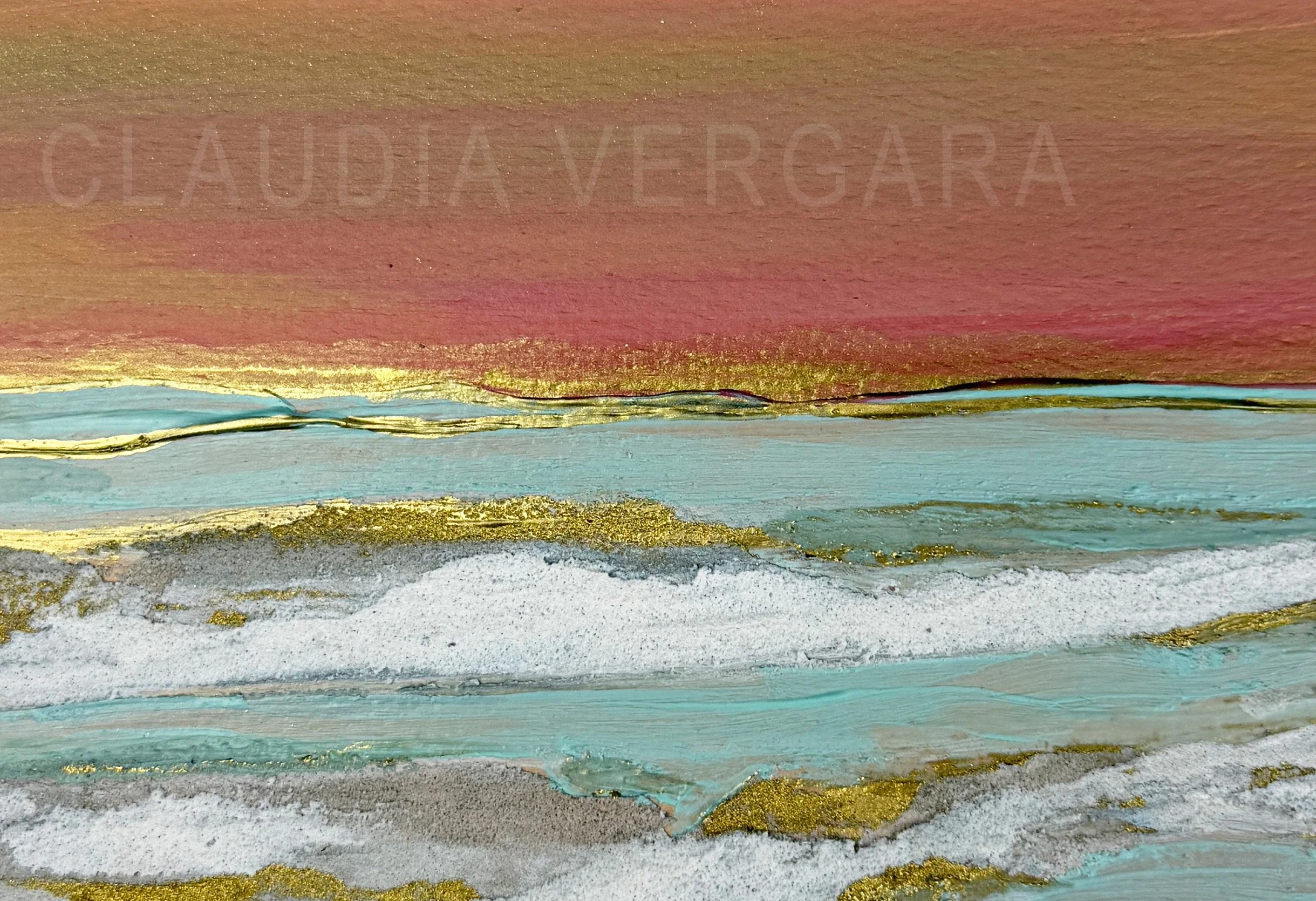
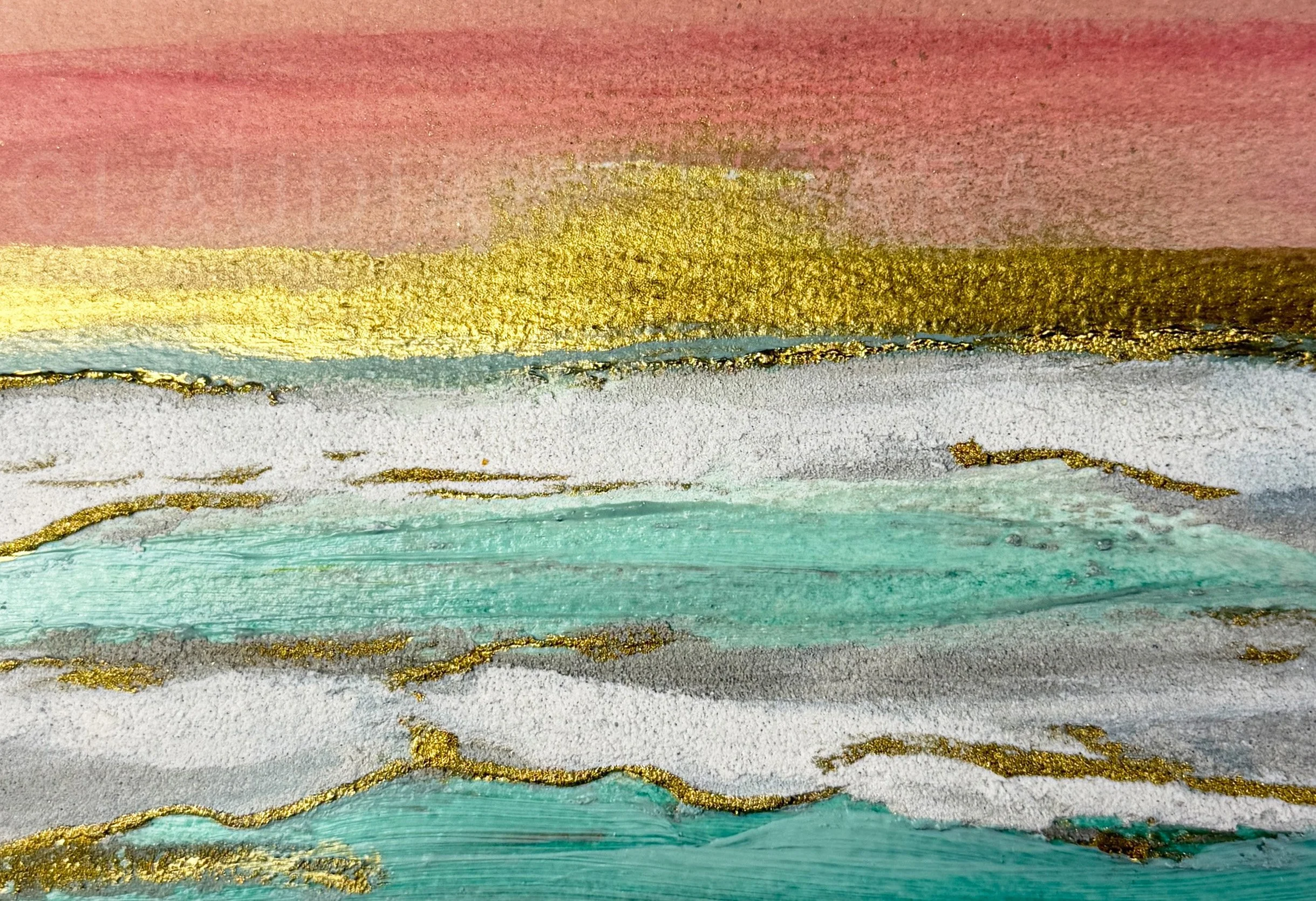
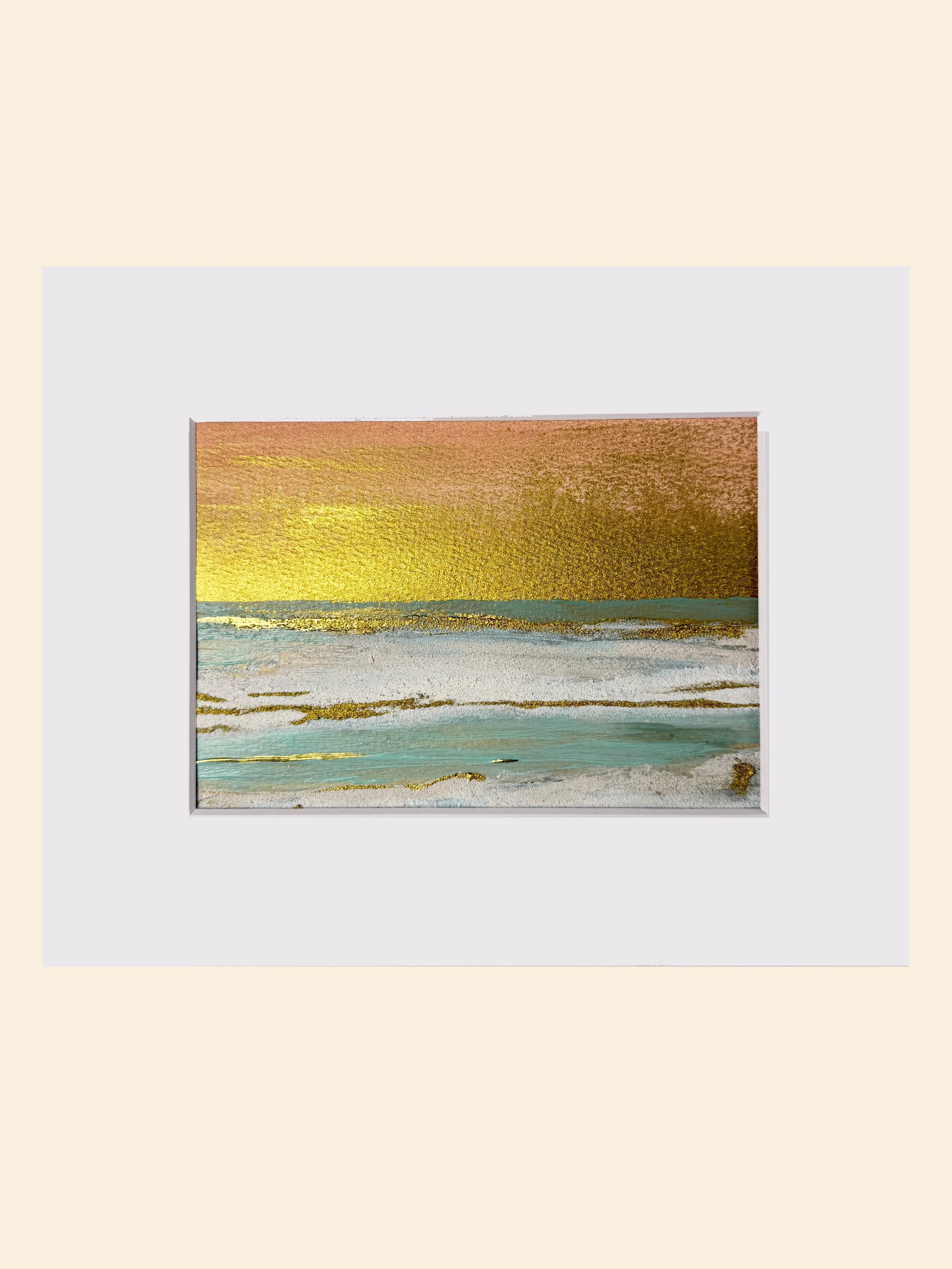
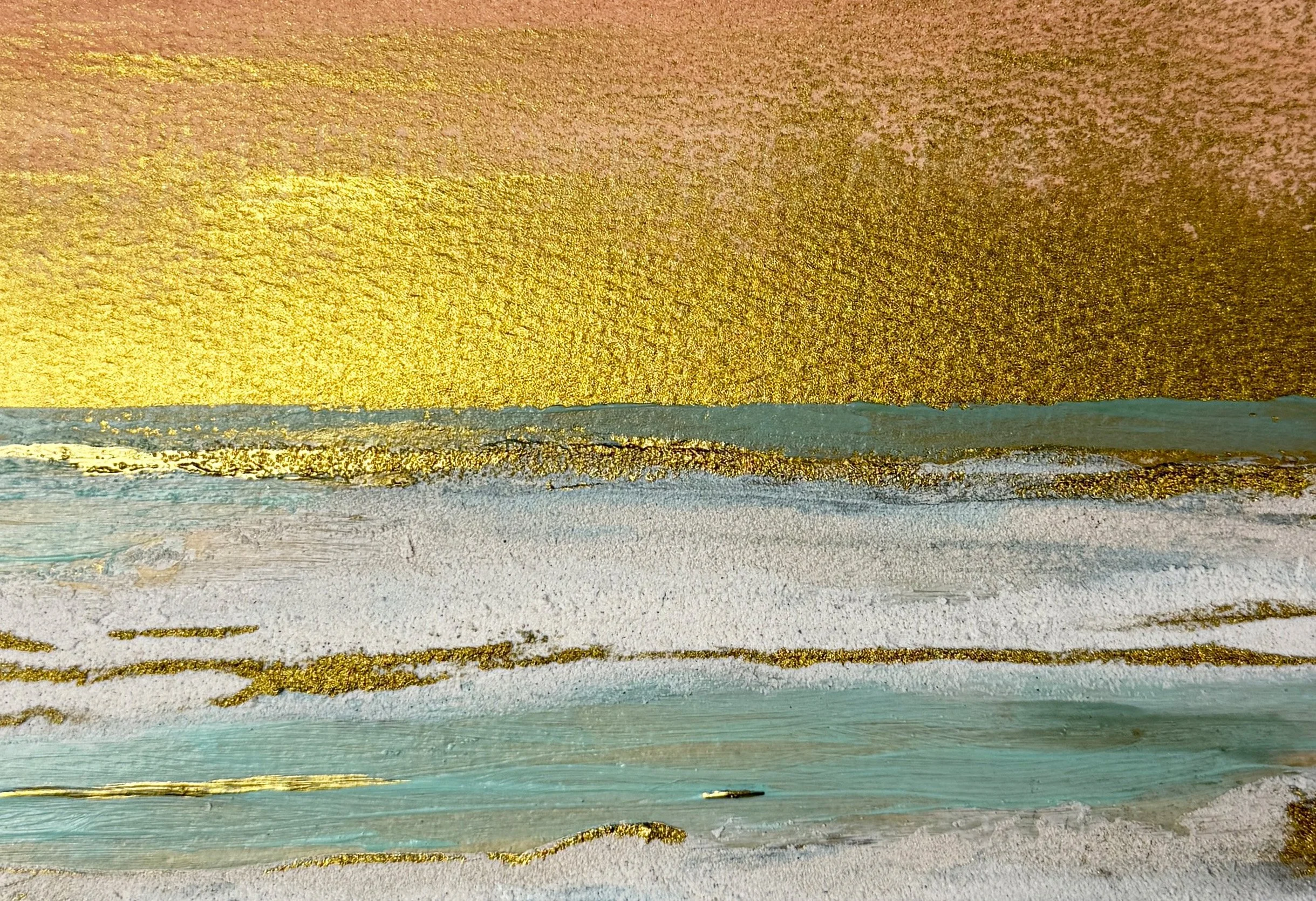
Inspired by the quiet magic of golden hour, this piece evokes the stillness of a sky in transition, where warmth lingers and the horizon glows. Perfect for bringing a sense of calm, color, and coastal beauty into your space.
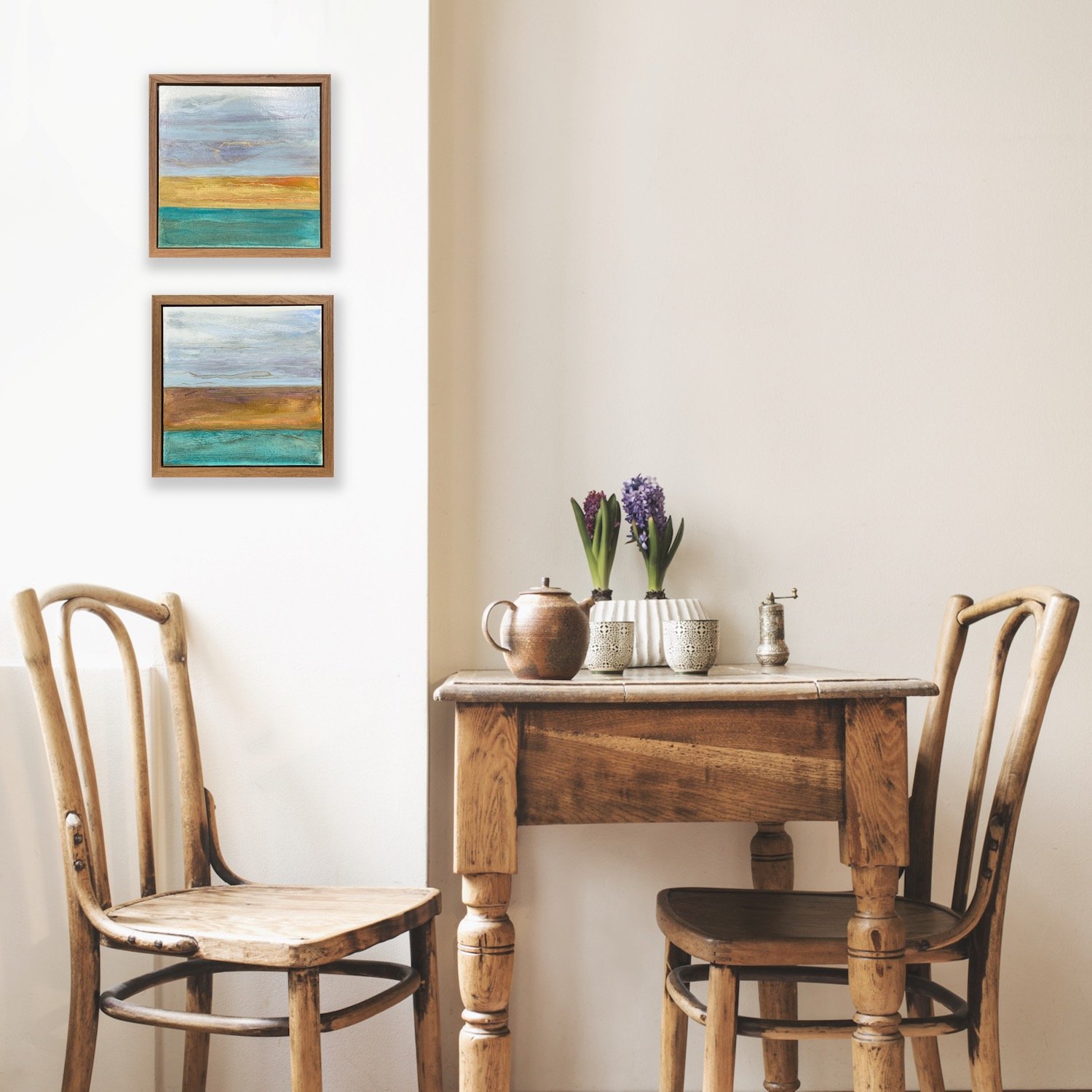
$250 each, $400 when you buy two, $500 when you buy three.
Frame included: MCS Canvas Float Frames 12x12 Frame, Walnut Woodgrain
Inspired by the quiet magic of golden hour, this piece evokes the stillness of a sky in transition, where warmth lingers and the horizon glows. Perfect for bringing a sense of calm, color, and coastal beauty into your space.
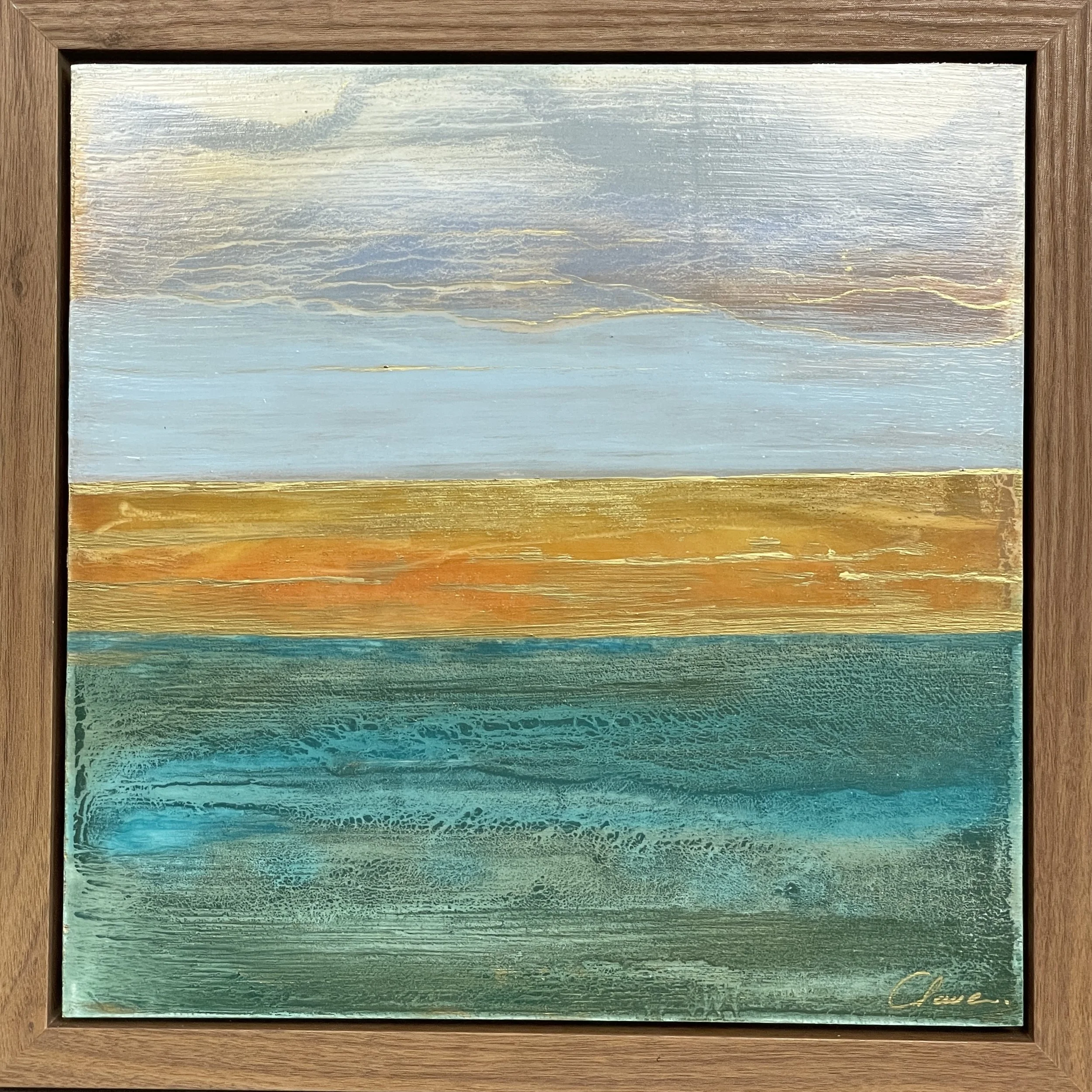
$250 each, $400 when you buy two, $500 when you buy three.
Frame included: MCS Canvas Float Frames 12x12 Frame, Walnut Woodgrain
Inspired by the quiet magic of golden hour, this piece evokes the stillness of a sky in transition, where warmth lingers and the horizon glows. Perfect for bringing a sense of calm, color, and coastal beauty into your space.
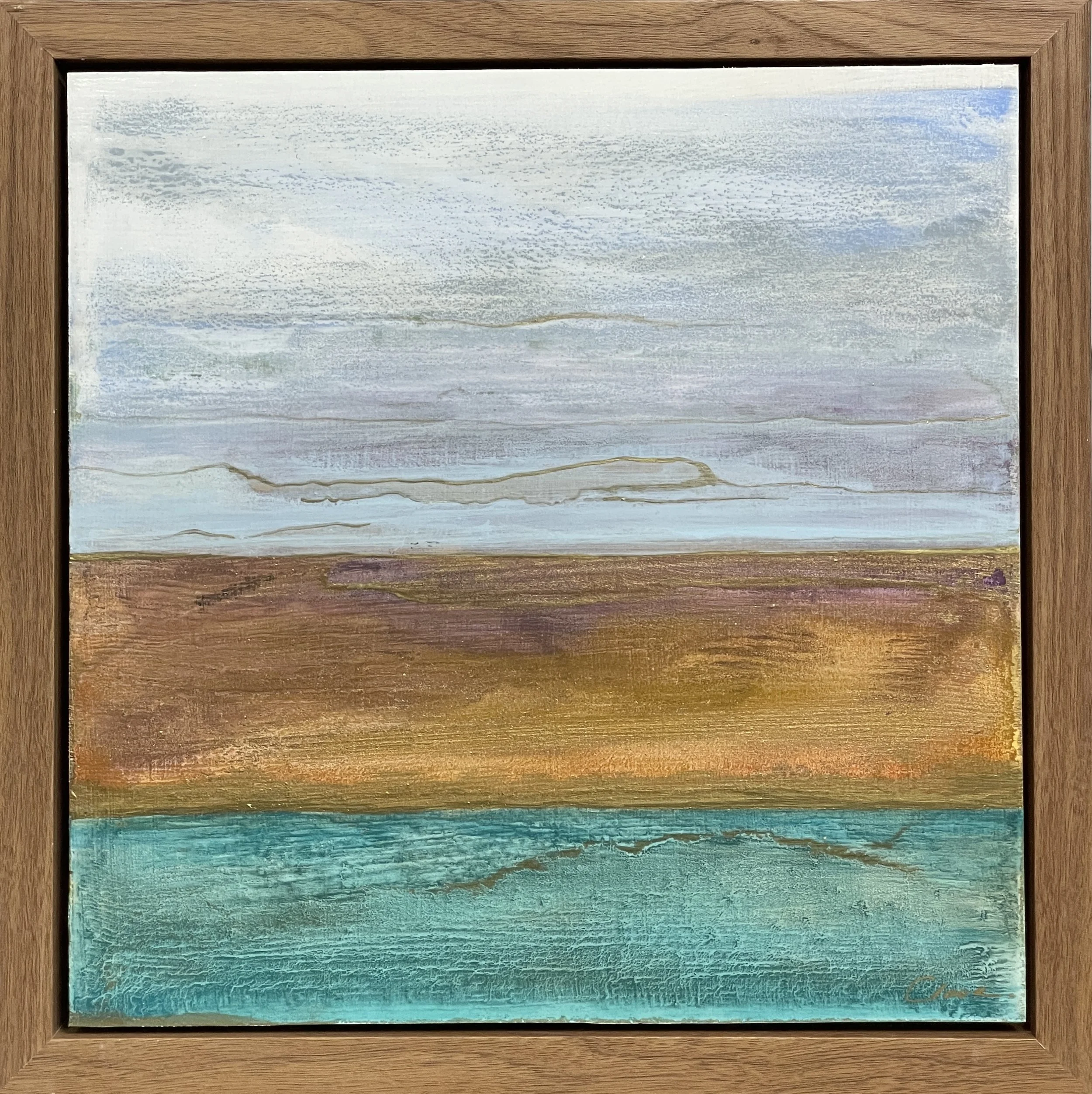
$250 each, $400 when you buy two, $500 when you buy three.
Frame included: MCS Canvas Float Frames 12x12 Frame, Walnut Woodgrain
Inspired by the quiet magic of golden hour, this piece evokes the stillness of a sky in transition, where warmth lingers and the horizon glows. Perfect for bringing a sense of calm, color, and coastal beauty into your space.
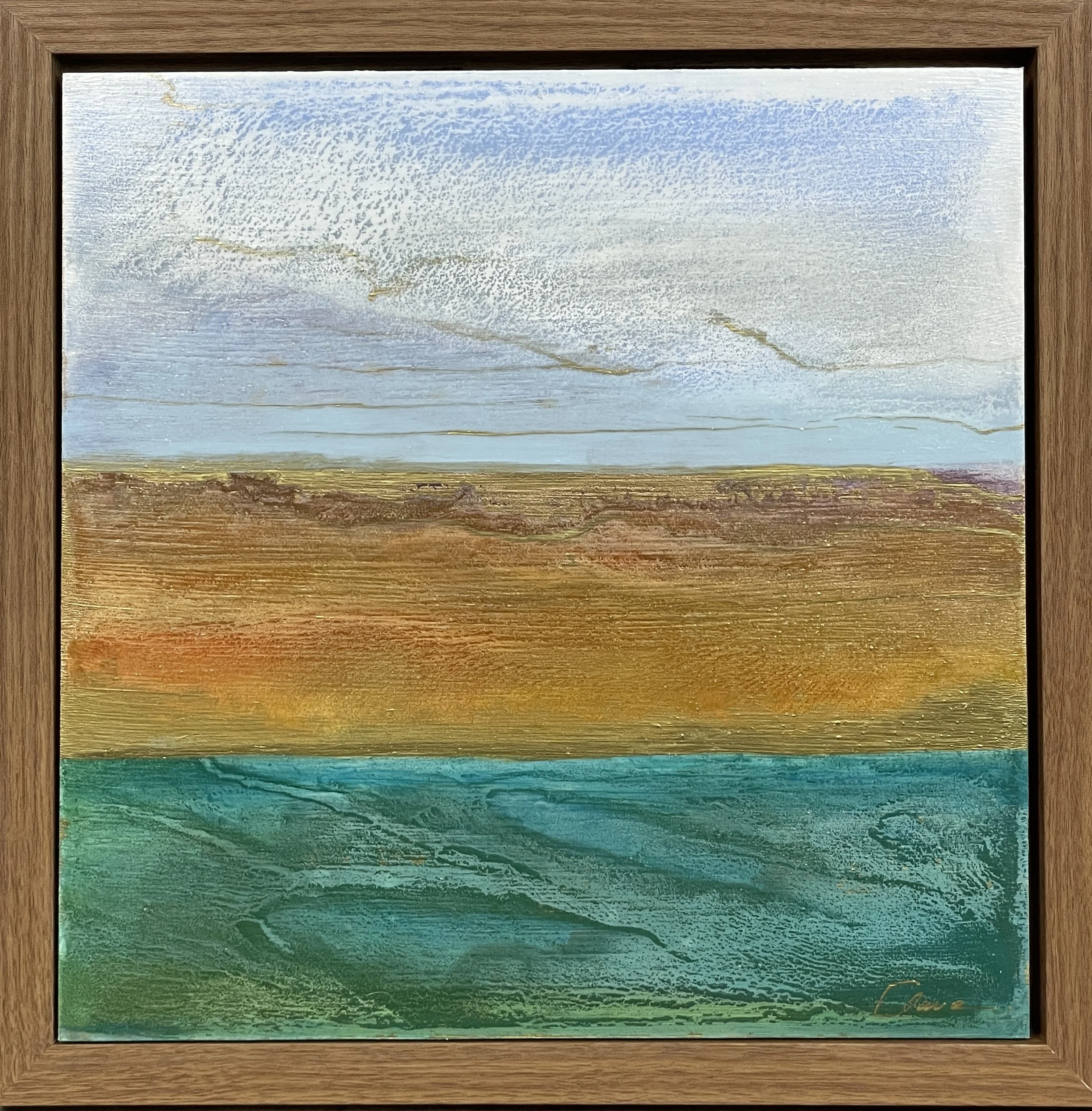
$250 each, $400 when you buy two, $500 when you buy three.
Frame included: MCS Canvas Float Frames 12x12 Frame, Walnut Woodgrain
Inspired by the quiet magic of golden hour, this piece evokes the stillness of a sky in transition, where warmth lingers and the horizon glows. Perfect for bringing a sense of calm, color, and coastal beauty into your space.

$250 each, $400 when you buy two, $500 when you buy three.
Frame included: MCS Canvas Float Frames 12x12 Frame, Walnut Woodgrain
Inspired by the quiet magic of golden hour, this piece evokes the stillness of a sky in transition, where warmth lingers and the horizon glows. Perfect for bringing a sense of calm, color, and coastal beauty into your space.
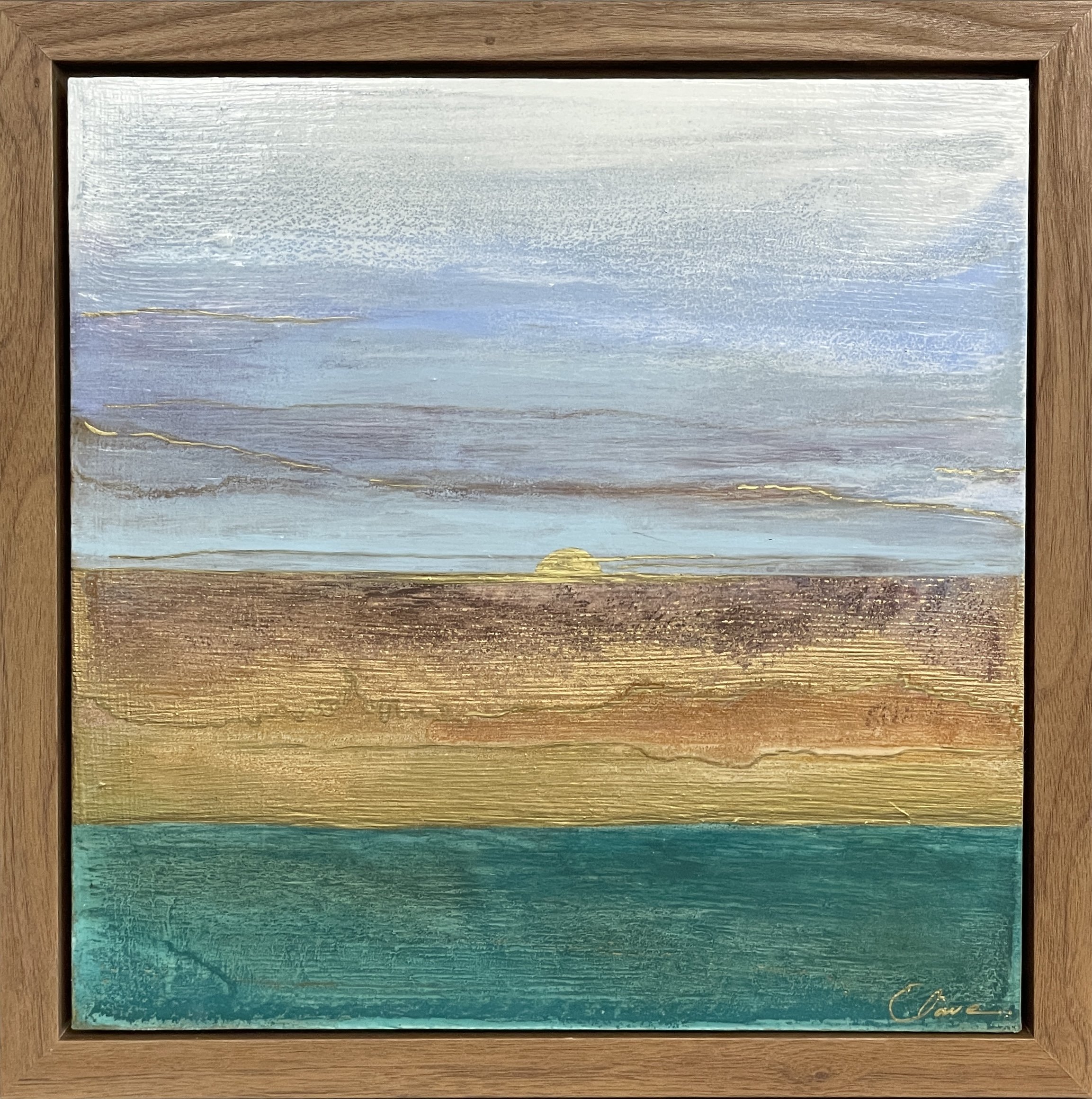
$250 each, $400 when you buy two, $500 when you buy three.
Frame included: MCS Canvas Float Frames 12x12 Frame, Walnut Woodgrain
Inspired by the quiet magic of golden hour, this piece evokes the stillness of a sky in transition, where warmth lingers and the horizon glows. Perfect for bringing a sense of calm, color, and coastal beauty into your space.
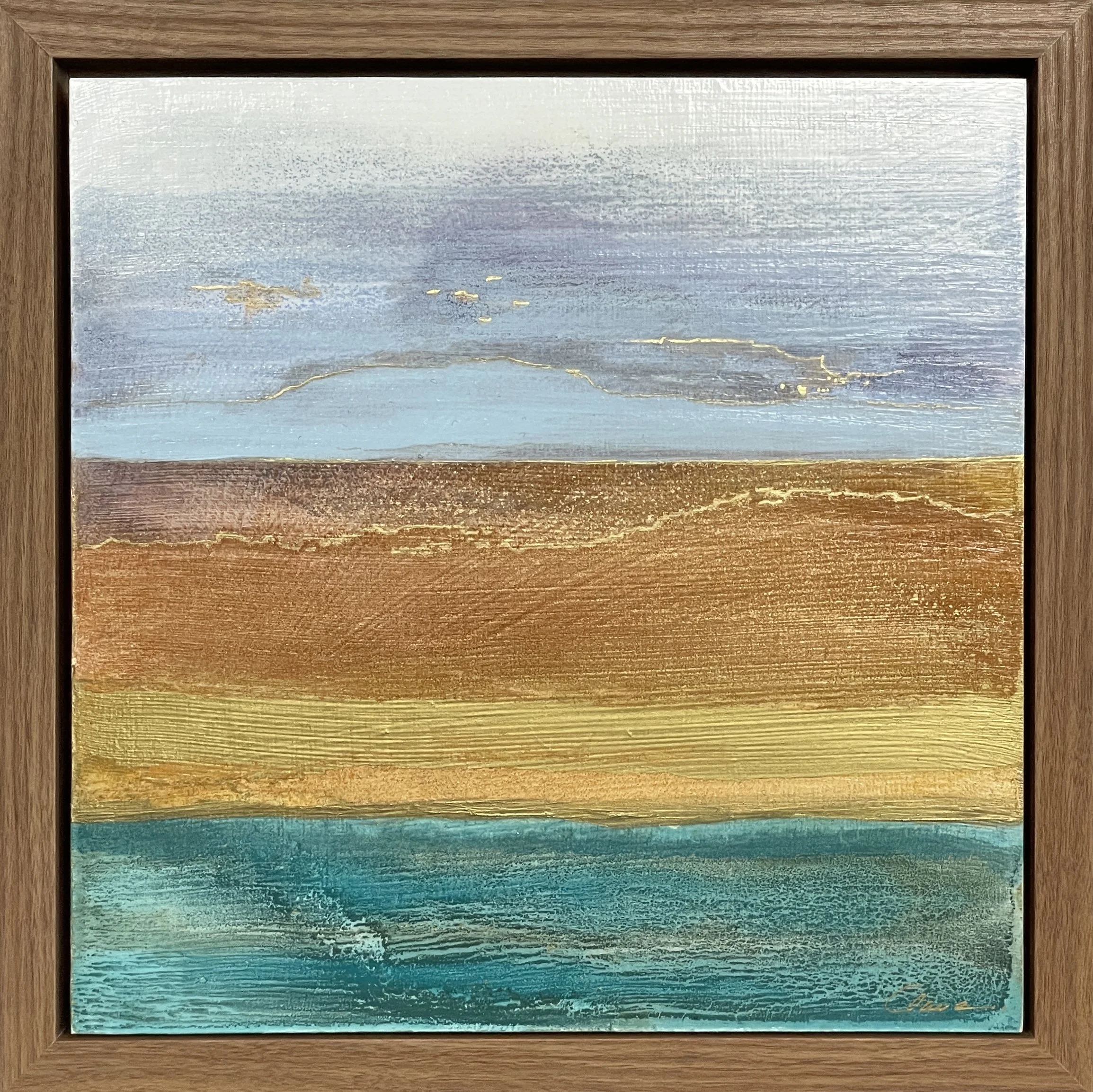
$250 each, $400 when you buy two, $500 when you buy three.
Frame included: MCS Canvas Float Frames 12x12 Frame, Walnut Woodgrain
Inspired by the quiet magic of golden hour, this piece evokes the stillness of a sky in transition, where warmth lingers and the horizon glows. Perfect for bringing a sense of calm, color, and coastal beauty into your space.
